

SimuSpeech: an AI-powered platform for public speaking practice
Helping users build confidence through real-time audience simulation and feedback.
Project Overview
Public speaking is one of the most common forms of social anxiety, especially among college students.
This project explored public speaking anxiety through deep-listening interviews and psychological research, then used Kano Model analysis (78 participants) to prioritize UX prototype concepts. The design was evaluated through remote usability testing and SUS surveys (4 participants).
Key Research Questions
- Why do higher-education students experience public speaking anxiety? - Which concepts should be prioritized for development and testing?
Project outcome
My Role
Design Researcher, UX Designer
The Team
Individual Project
industry
AI Tools
Public Speaking Practice Tools
Food & Beverage
Design attributes
Evidence-based Design
Human-AI Interaction Design
Skills
Kano Model Analysis · Remote usability test · System Usability Scale
tools
Figjam, Figma, Google Form, Google Excel, Loop 11, Amazon Mechanical Turk
timeline
Sep - Oct 2024 (7 weeks, part-time)
W 1
W 2
W 3
W 4
W 5
W 6
W 7
The design process
Contextual Research
Contextual Research
Generative Research
Evaluative Research
Evaluative Research
Analysis and Synthesis
Prototype
Ideate
Prototype
01
Contextual Research
Literature review
Psychological framework review
02
Generative Research
In-depth interviews (n=4)
03
Analysis and Synthesis
Thematic analysis
04
Ideate and Prototype
Concept generation
Flow-focused wireframes
05
Evaluative Research
Survey (n=78)
Kano model analysis
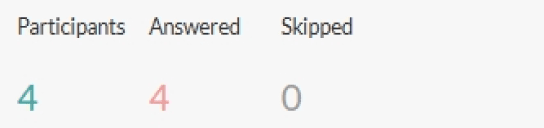
Remote usability testing (n=4)
System Usability Scale
design process highlights - evaluative research
Using Kano Model Analysis to prioritize eight conceptual features for prototyping.
Kano Model Analysis survey Link:
Product Tackling Social Anxiety Caused by Performance-Based Social Interactions
Kano-style survey
I conducted a Kano-style survey via Amazon Mechanical Turk (n=78) to evaluate eight conceptual features. Each feature was assessed using functional and dysfunctional questions, and an importance rating.
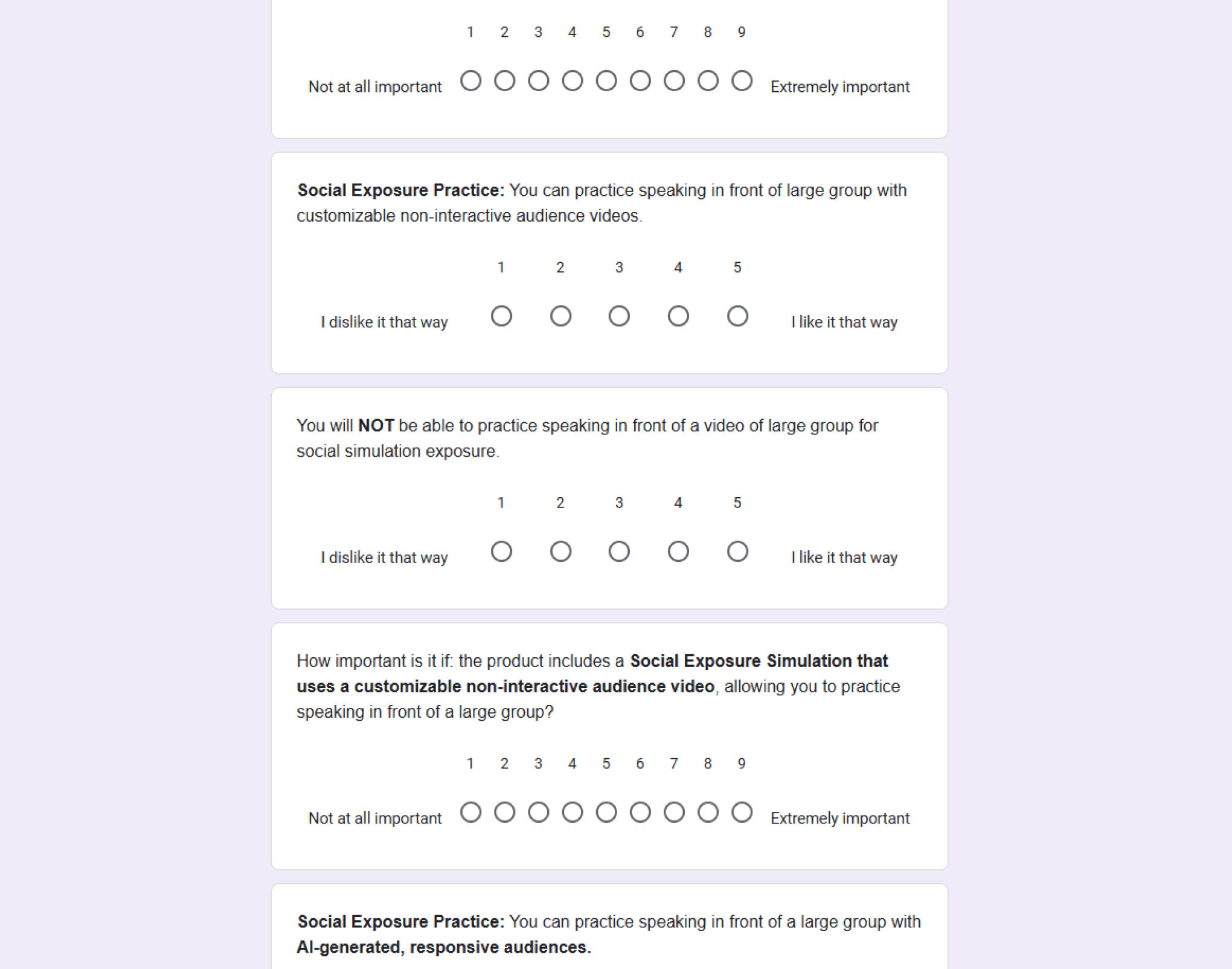
Kano Model Analysis Sheet Link:
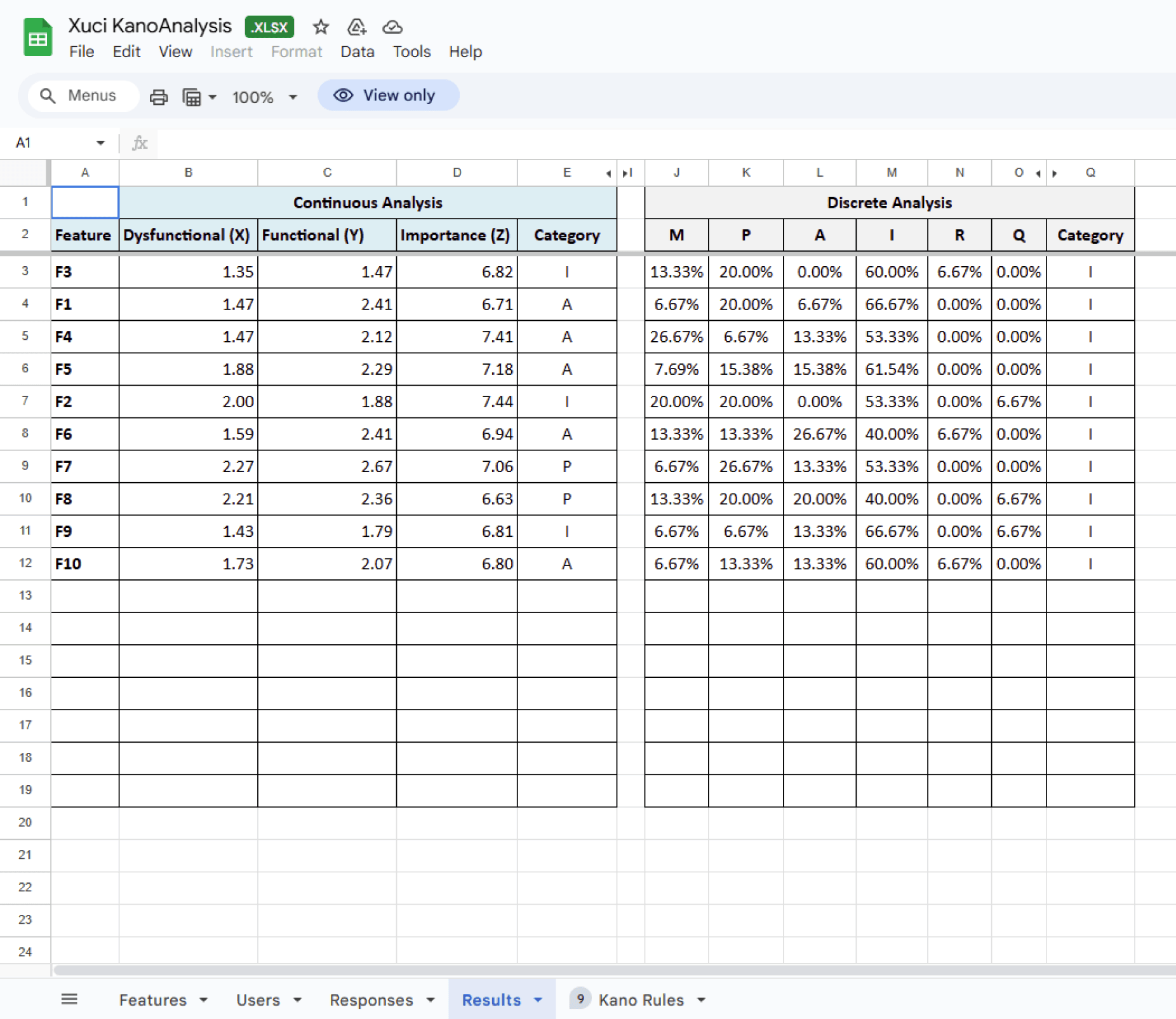
Kano Model Analysis results
Next, I analyzed valid responses using Kano Model Analysis to inform decisions on which features to prototype and test.
Evaluating the flow prototype through remote task-based usability testing.
This evaluation captured behavioral performance (task completion), perceived usability (SUS), and qualitative feedback (think-aloud) to understand both what happened and why.
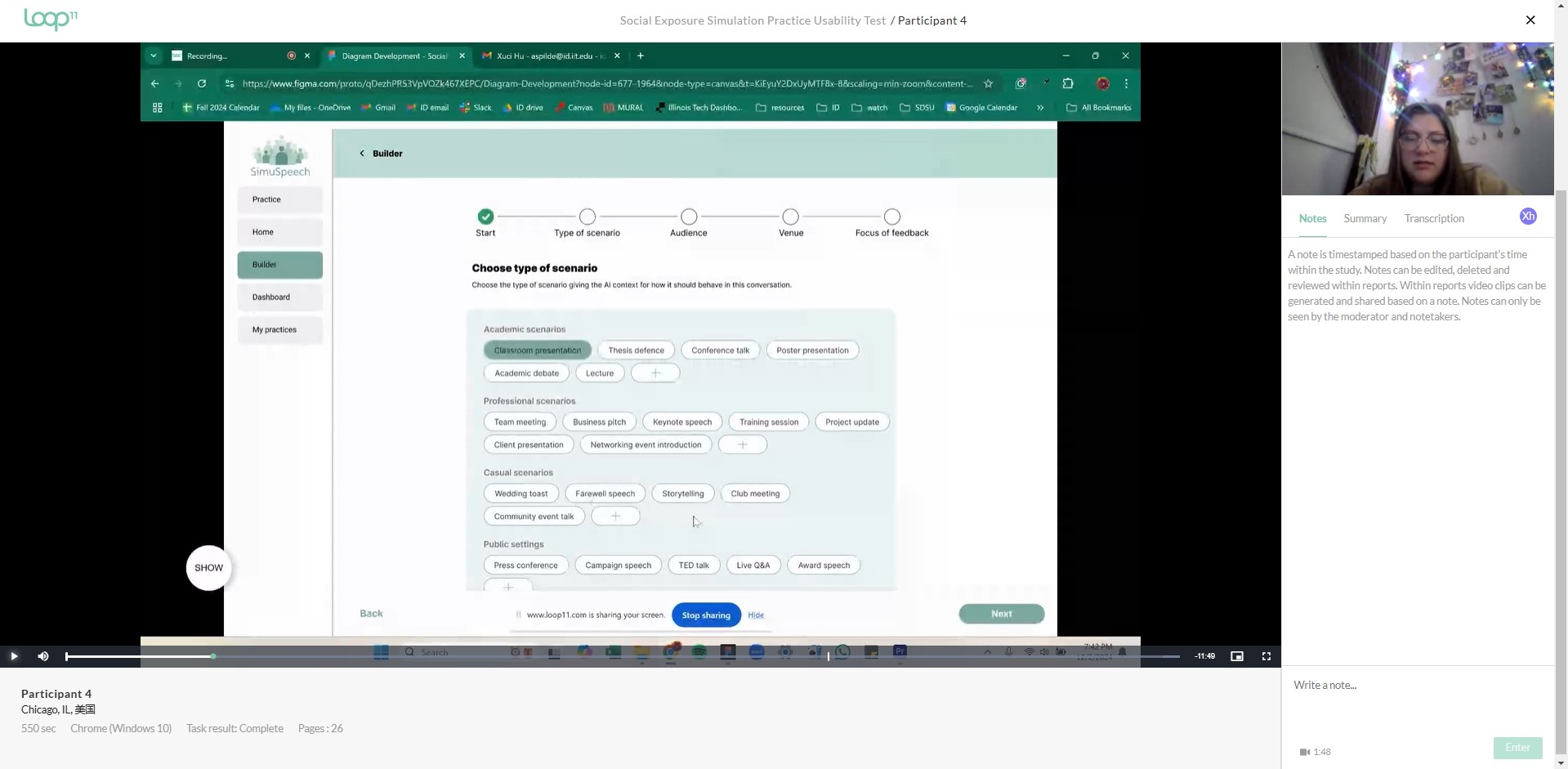
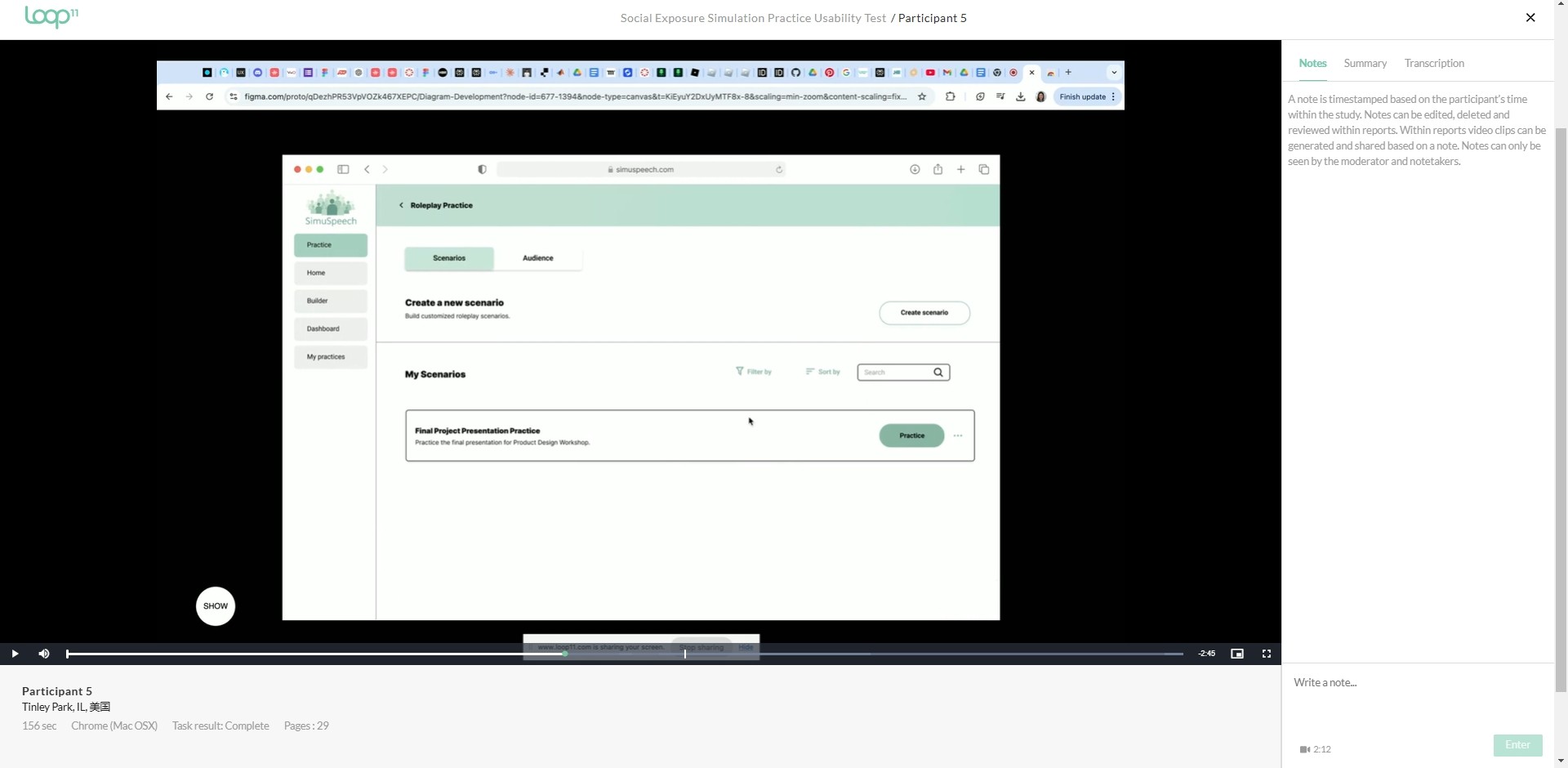
Remote task-based usability testing
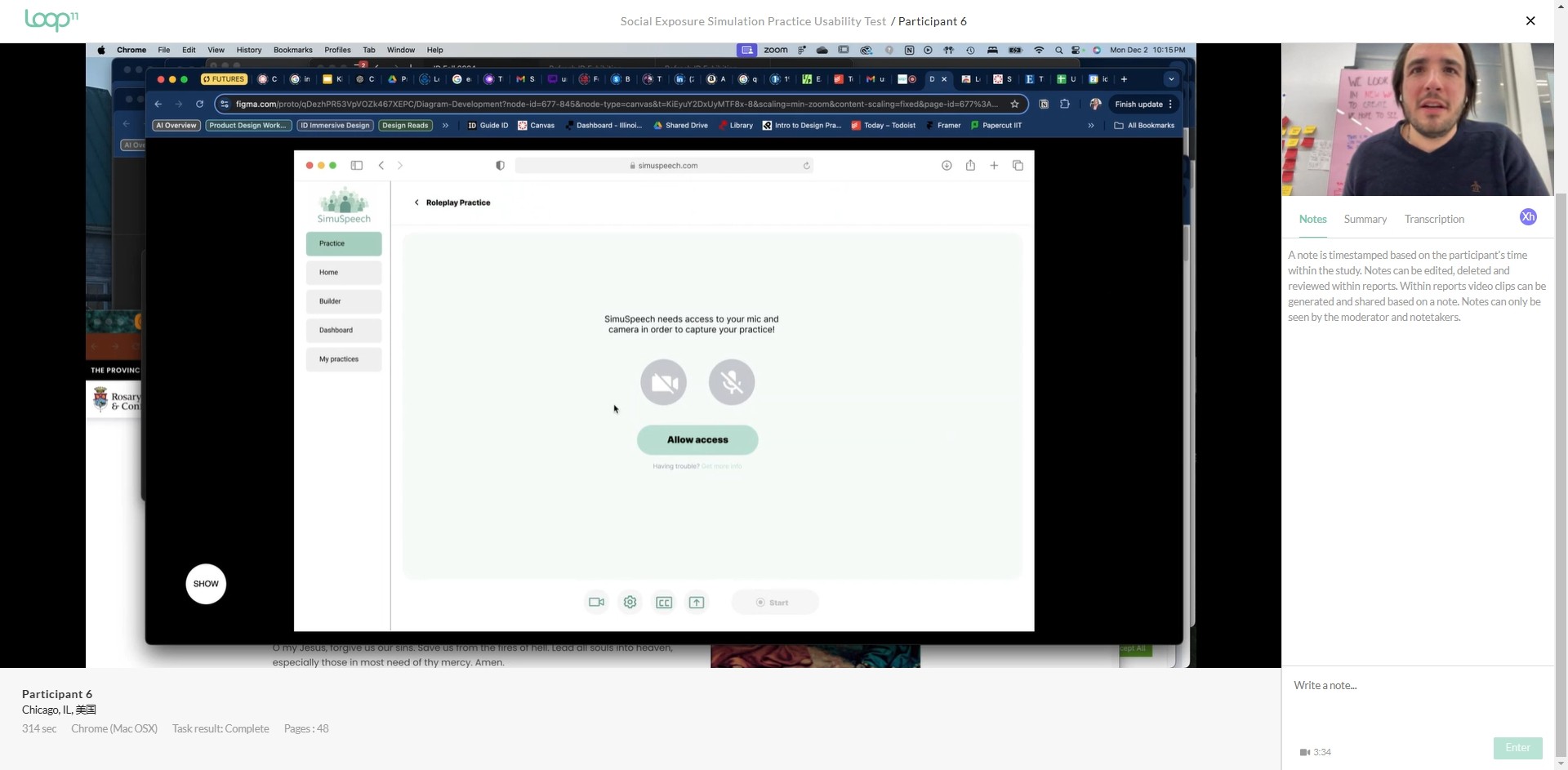
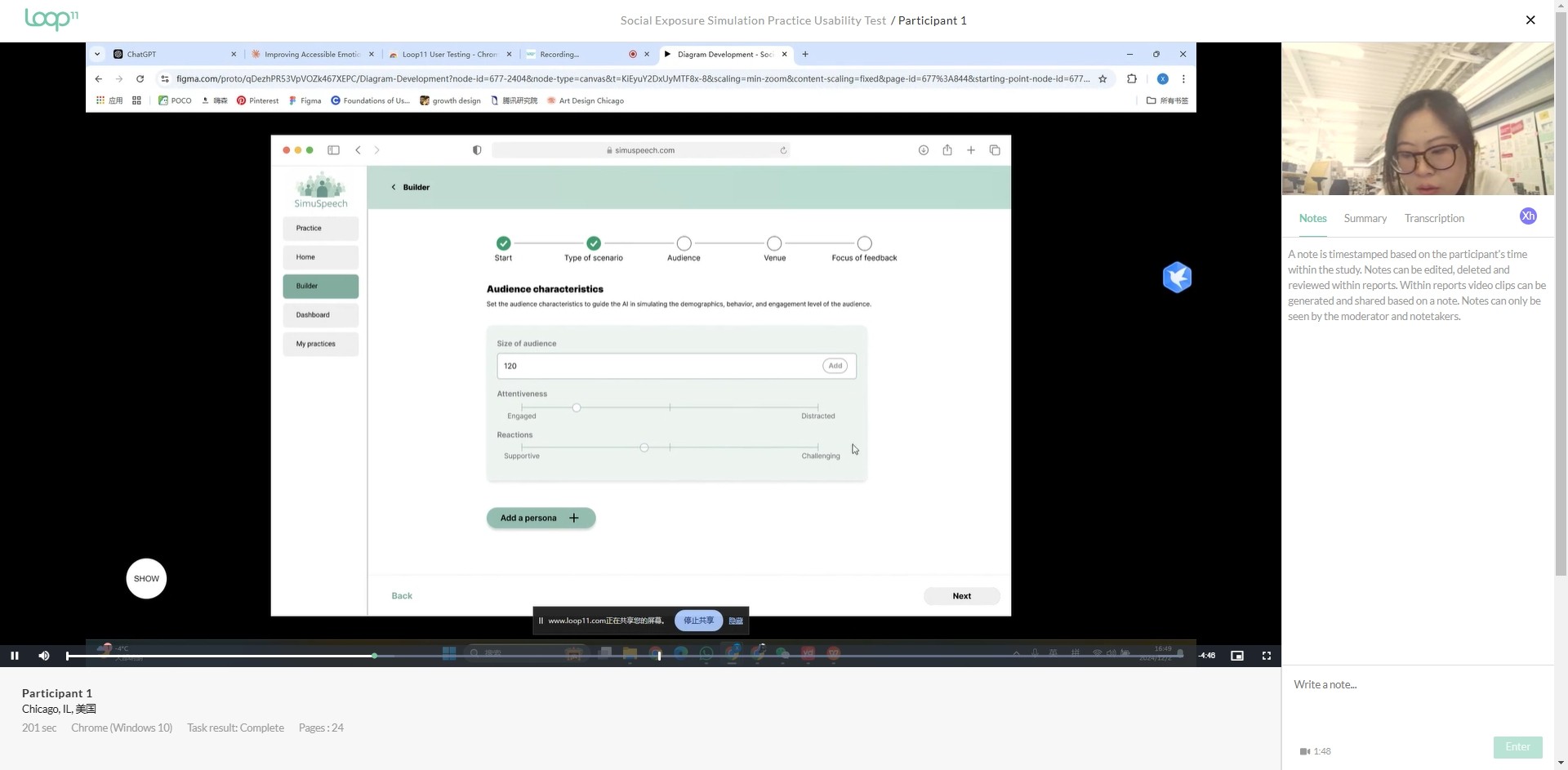
I conducted remote task-based usability testing on Loop11 to evaluate whether participants could successfully complete task and identify usability issues.
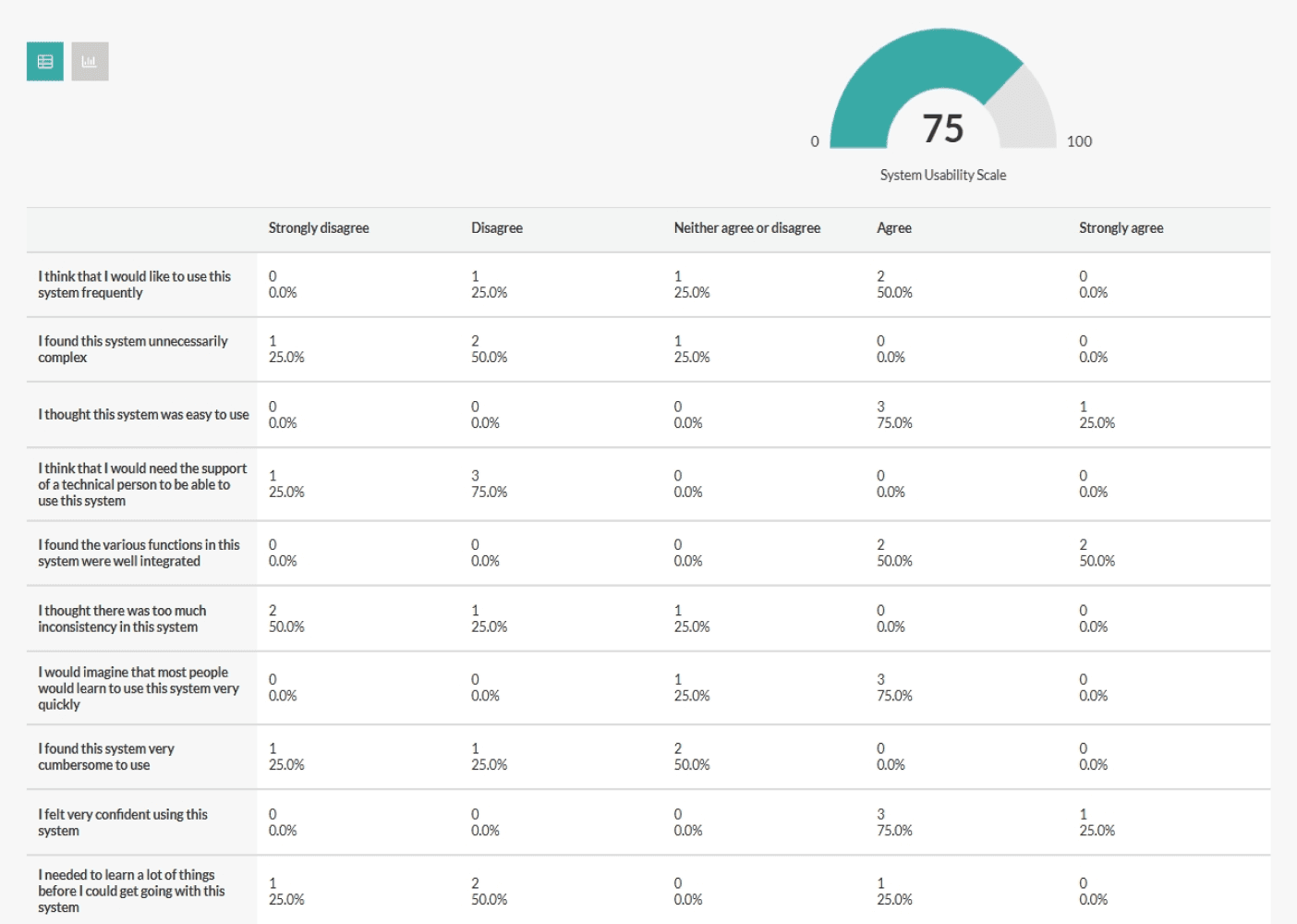
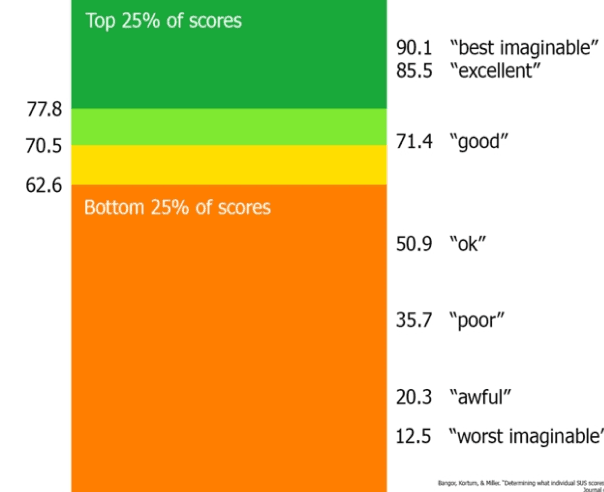
75
Good
System Usability Scale (SUS)
After participants complete their task, they were asked to fill the System Usability Scale (SUS) survey to assess overall perceived usability.
See the work in detail
Detailed project storytelling slides|7 weeks|3-5 mins to scan
SimuSpeech: Reducing public speaking anxiety through simulated social exposure.
These slides present a complete storytelling of the design process, from research to outcomes.