
Baywise: A community-powered tourism service
Leveraging local tourism to combat elderly social isolation in Robin Hood’s Bay, England, United Kingdom.
Project Overview
Social isolation is a critical health issue for those aged 65+, particularly in rural areas.
I conducted immersive ethnographic research to uncover opportunities to address social isolation among local seniors, and partnered with the Robin Hood’s Bay History Museum and the National Trust to co-create a service concept.
Key Research Questions
- What are local seniors’ lives like in Robin Hood’s Bay? - What are their real social needs? - What opportunity areas exist to address these needs?
Project outcome
Developed Baywise, a community-powered tourism service, that brings history to life and where seniors become storytellers and living historians.
Through immersive roleplay games around local history, the service fosters inter-generational connection and gives elders a renewed sense of purpose.
My Role
User researcher, Service designer
The Team
Individual project
industry
Community Well-being
Tourism
Food & Beverage
Design attributes
Service Design
Social Innovation
Exploratory Research
Skills
Ethnographic Research · Co-creation Facilitation · Persona Development · Service Blueprinting · Ecosystem Mapping · Storyboarding
tools
Figjam, Figma, Procreate, 3D printing
timeline
Jun - Aug 2023 (3 months)
What did partner say
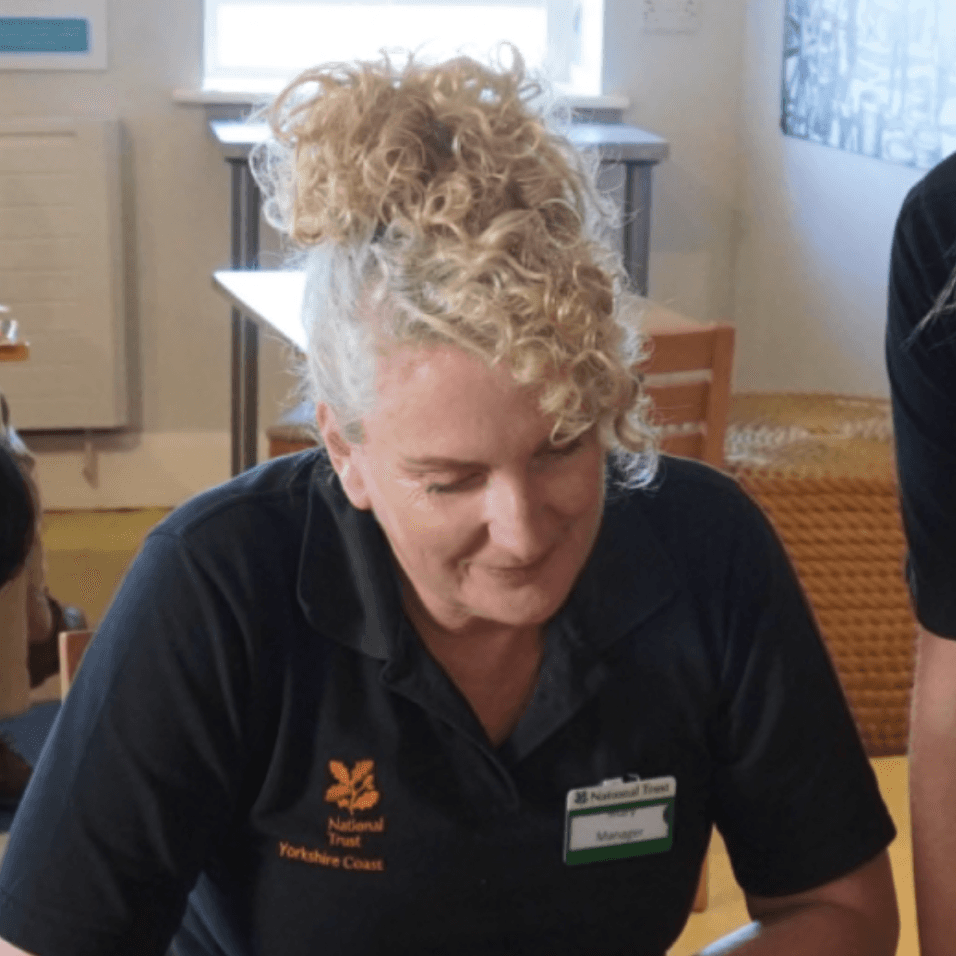
“We’d love to sponsor this service to promote social inclusion! This service could also encourage tourists to the explore the village more.”
National Trust
The work was well received by the National Trust and
opened follow-up conversations with regional stakeholders
around potential future development..
Robin Hood's Bay, took by author
The problem
Public Health England identifies social isolation as a major health issue for those aged 65+, particularly in rural areas like Robin Hood’s Bay, where geographic isolation increases the risk.
Robin Hood's Bay, a picturesque coastal village and tourist destination in North Yorkshire, England, has a much higher percentage of senior population than urban and rural areas. Its geographic isolation compounds their vulnerability, which makes addressing social isolation there particularly important.
Population percentage of people aged 65 and older in UK
Rural area
Robin Hood’s Bay
Urban area
17%
25%
40%
How might we alleviate social isolation among the elderly in Robin Hood’s Bay?
The design process
Exploratory Research
Generative Research
Generative Research
Evaluative Research
Analysis and Synthesis
Analysis and Synthesis
Prototype
Prototype
Month 1
Month 2
Month 3
01
Exploratory Research
Object-based interview (n=5)
Intercept (n=13)
Observation
02
Generative Research
Intercept (n=5)
Stakeholder co-design Workshop (n=3)
03
Analysis and Synthesis
Journey map
Persona
04
Prototype
Storyboard
Ecosystem map
Service blueprint
05
Evaluative Research
Intercept (n=10)
Deliverables
Co-developed 4 service components with the Robin Hood’s Bay History Museum
to articulate the service concept for the National Trust.
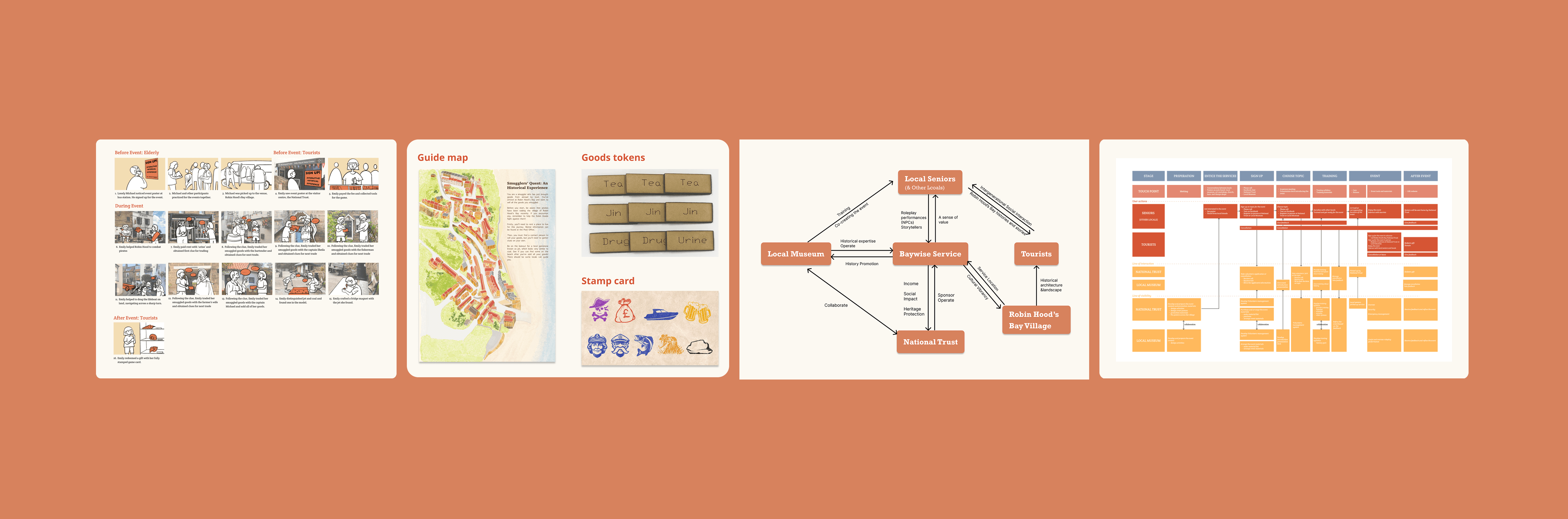
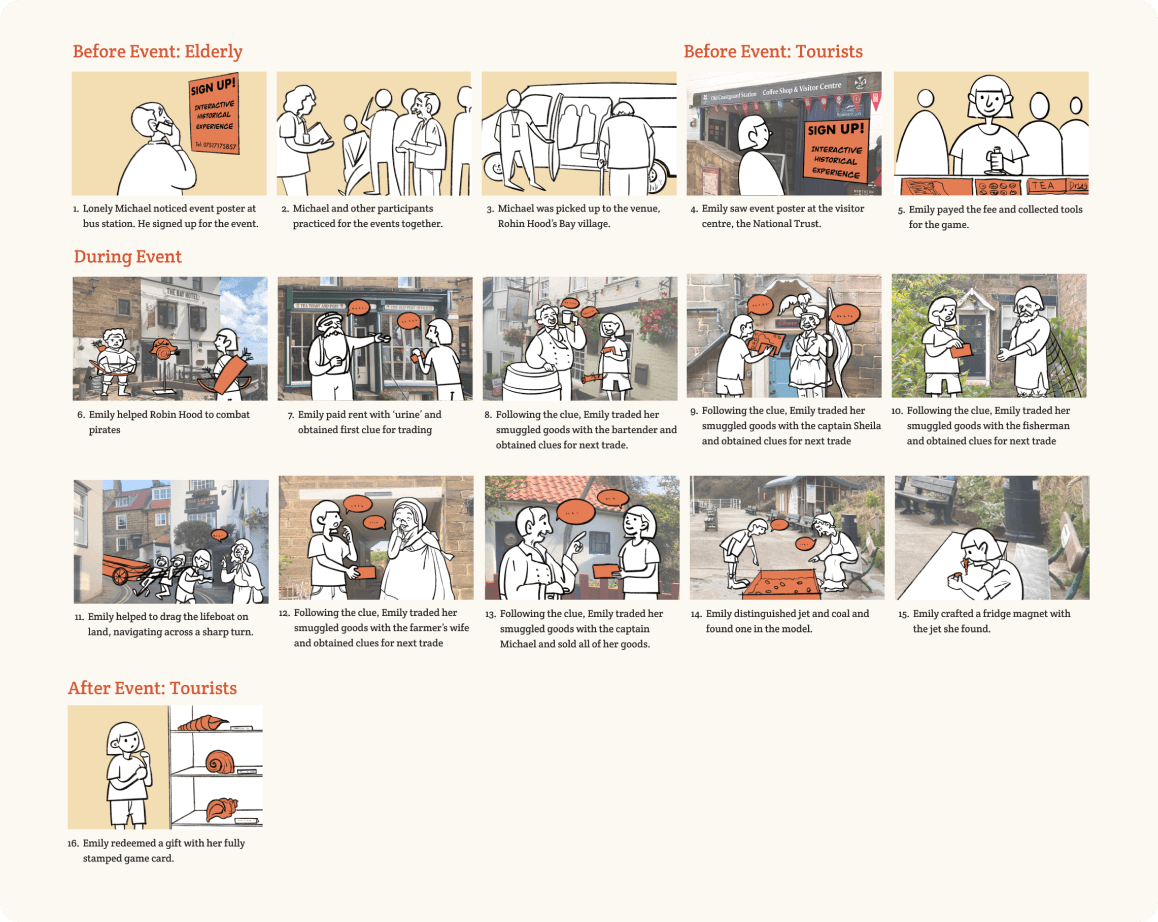
Storyboard
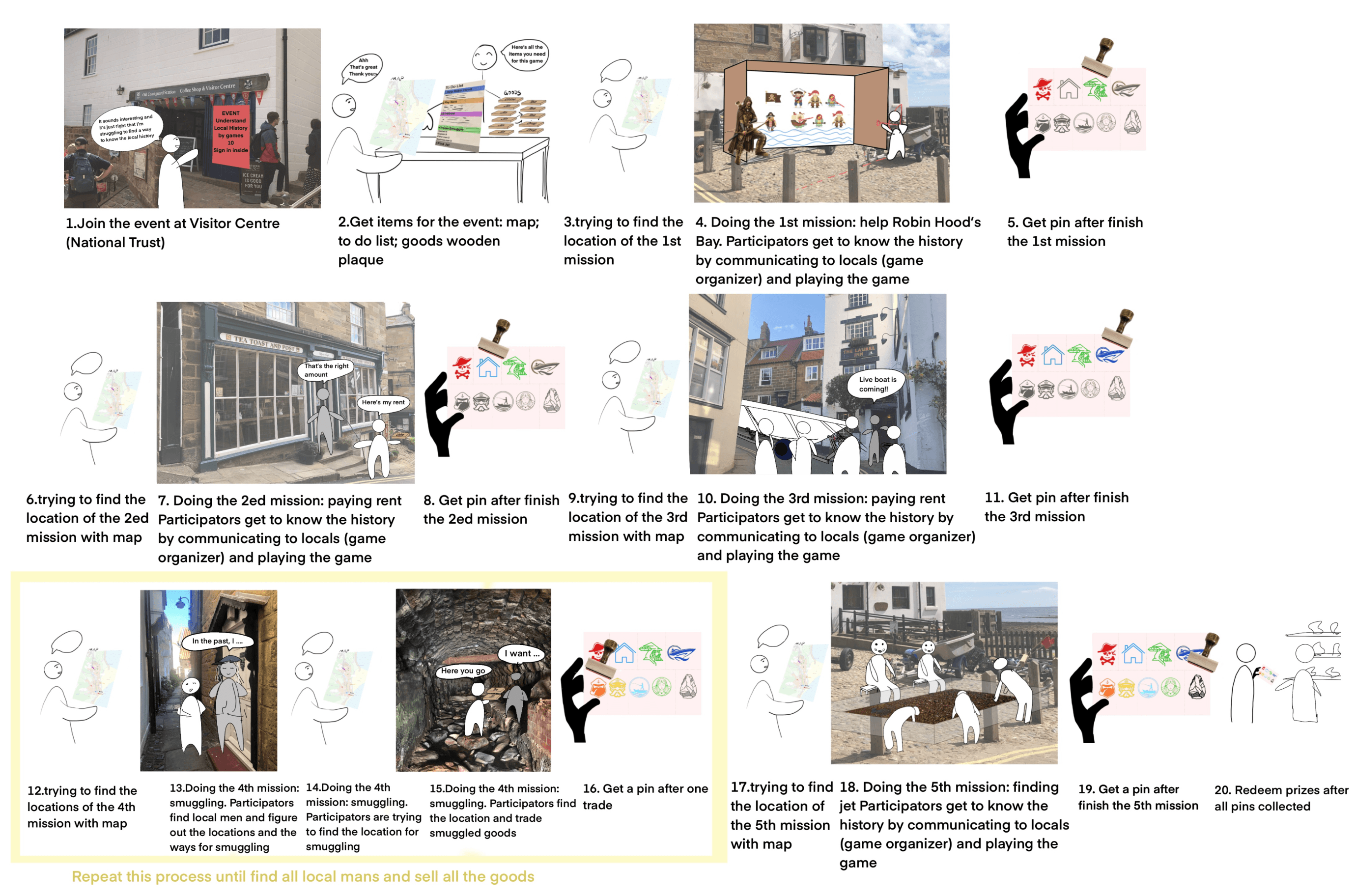
Visualized end-to-end service experience from multiple user perspectives, making the abstract service concept concrete and easy for stakeholders to digest.
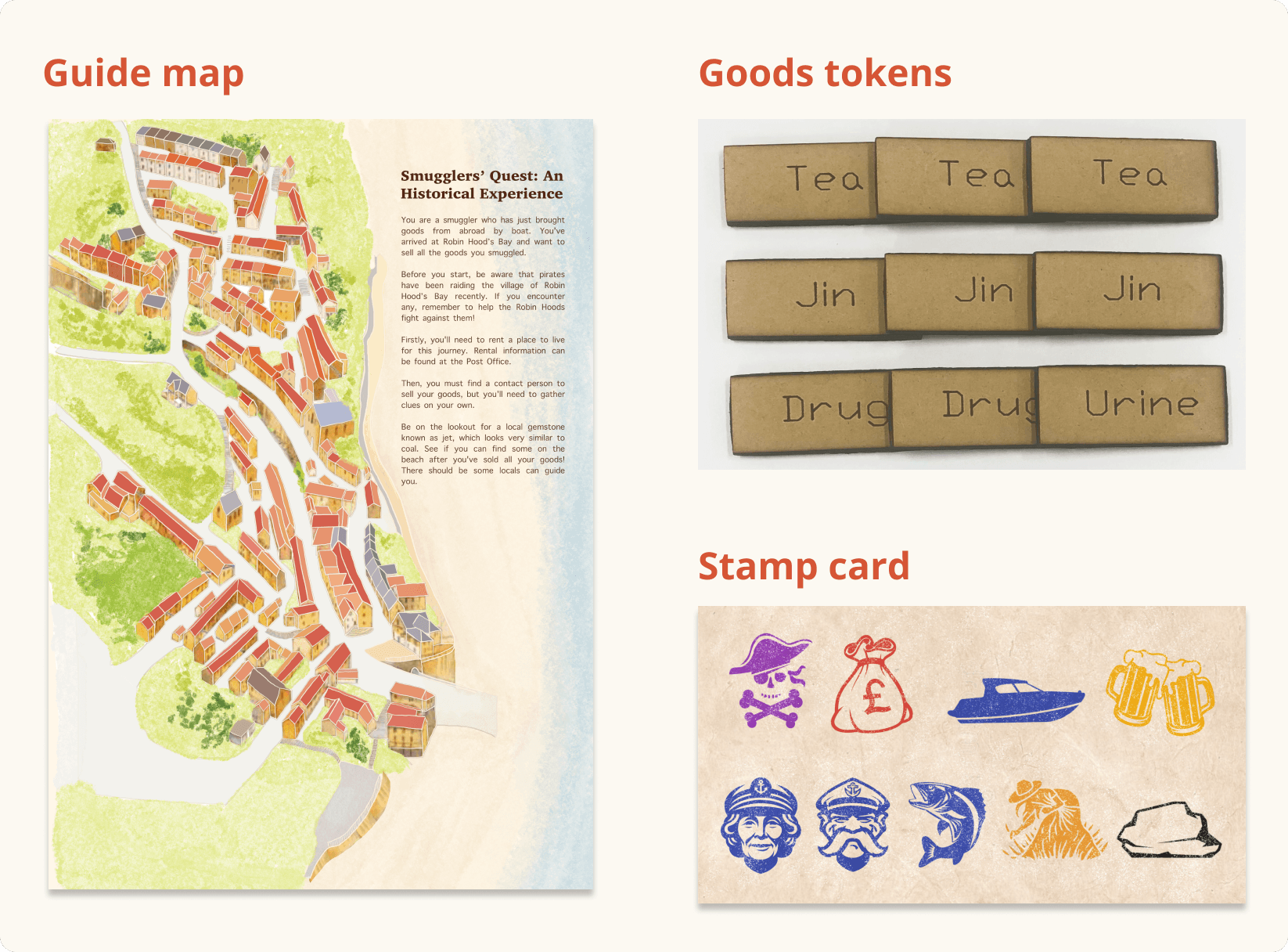
Physical touchpoints: Tools tourists use for the game
Designed tangible tool prototypes for tourists to complement the storyboard’s storytelling of the service concept.
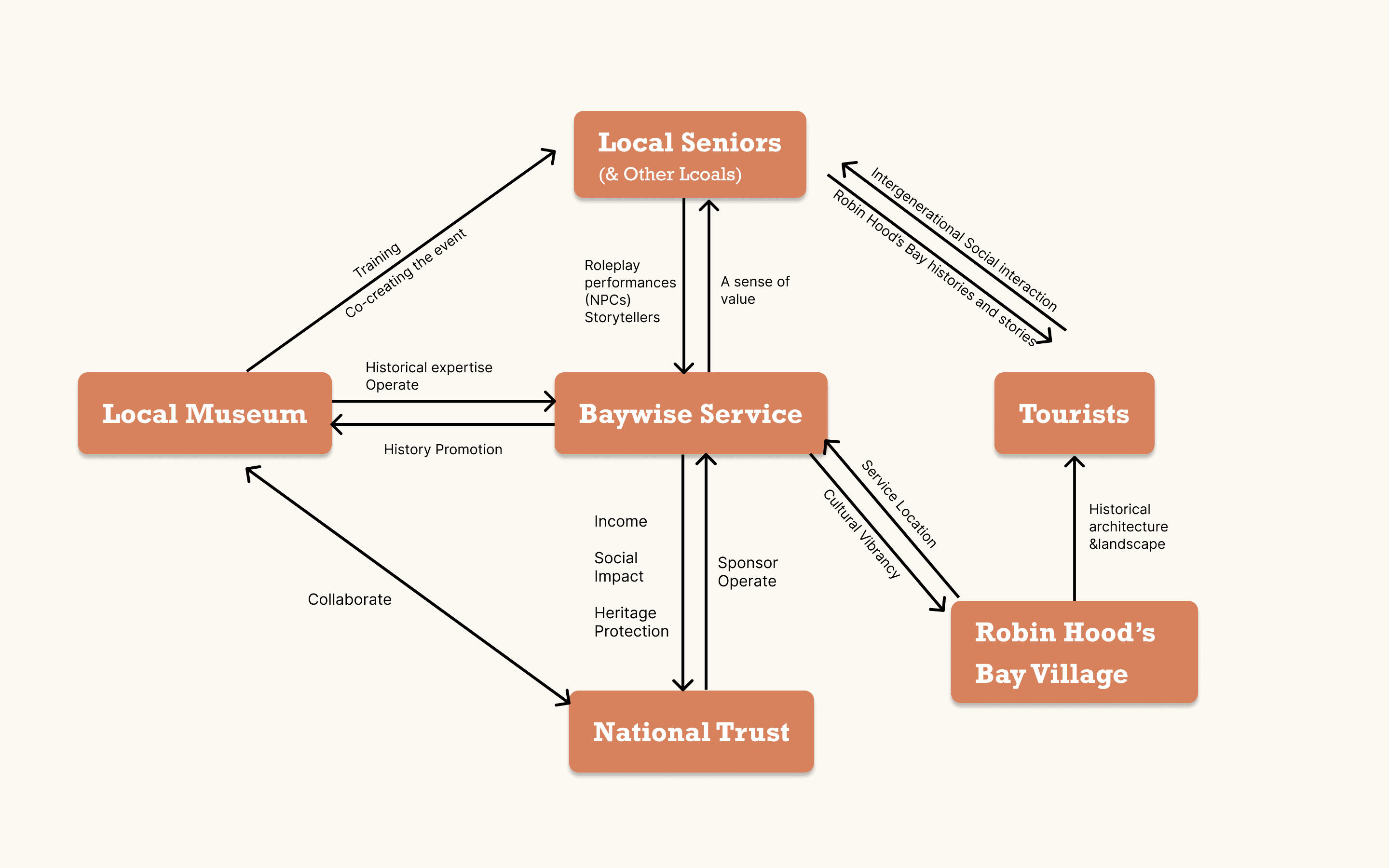
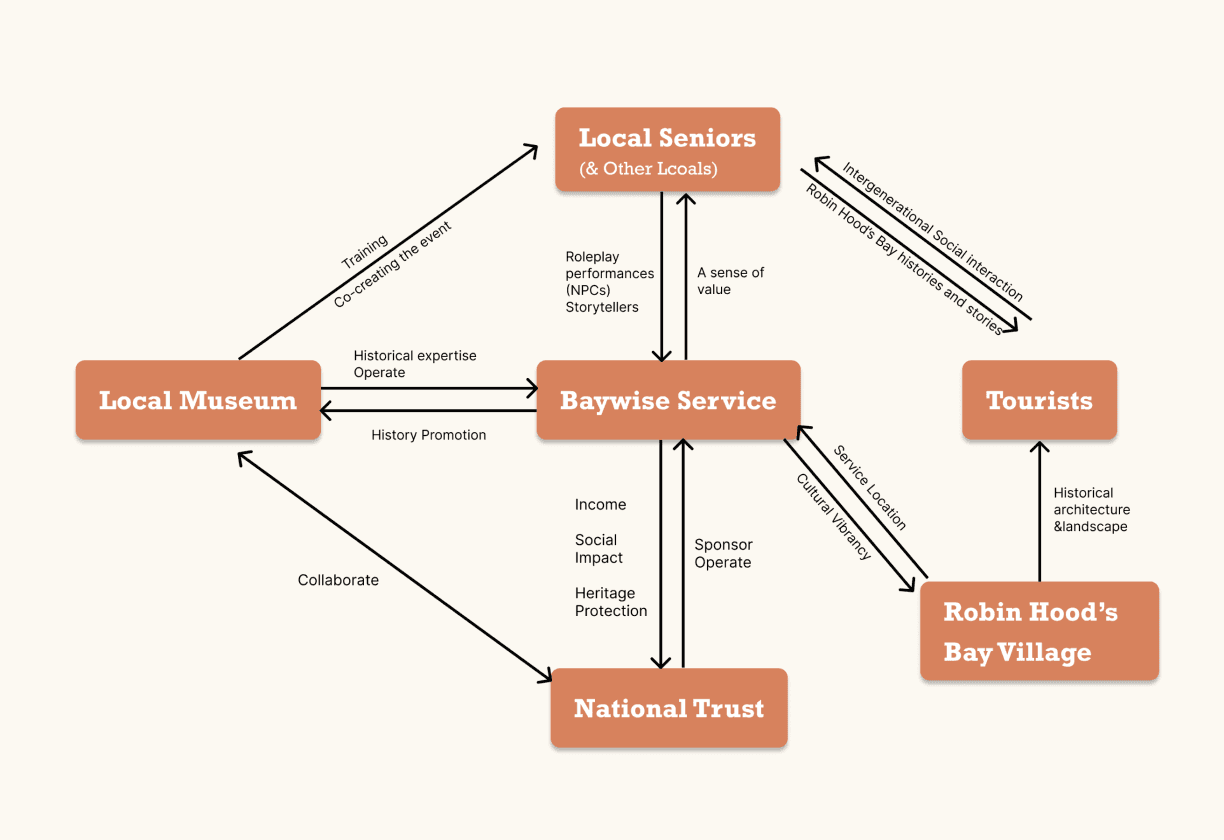
Service ecosystem map
Mapped the service ecosystem to clarify how human and non-human actors collaborate, and how value and responsibilities flow across the system.
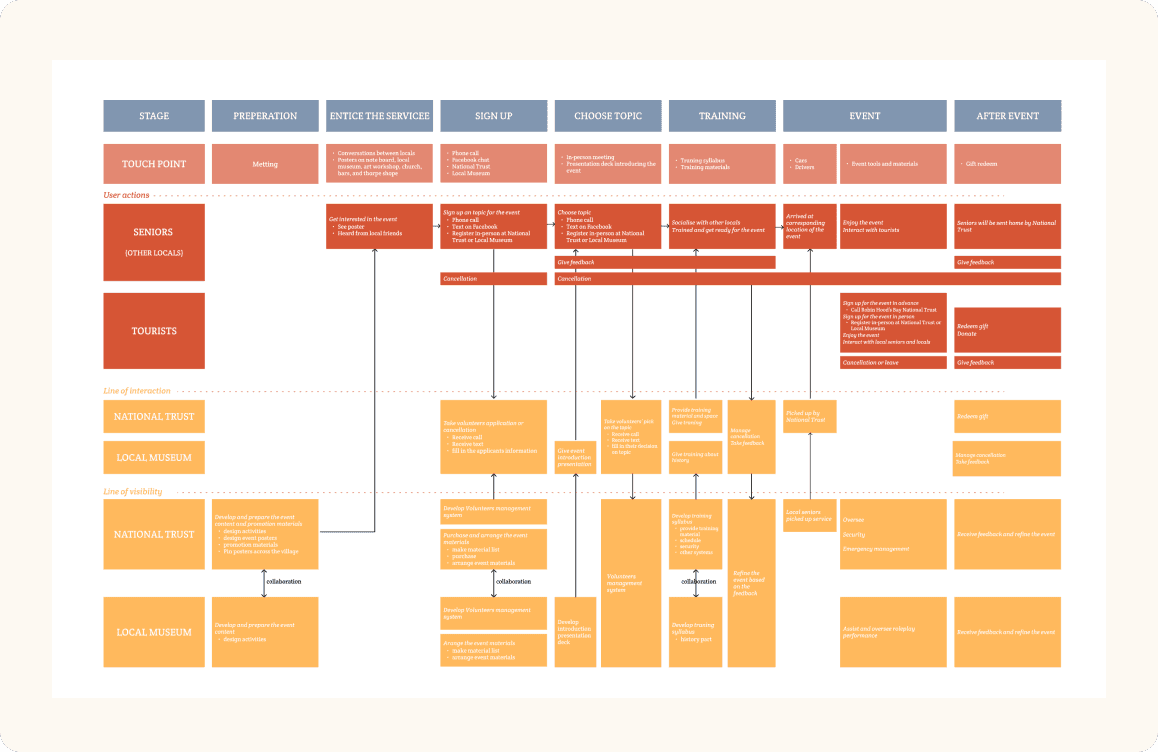
Service Blueprint
Extended beyond the frontstage journey to detail the backstage processes and cross-organizational responsibilities required to deliver the service. It supports future implementation discussions.
This project was highly learning-driven and exploratory, with no brief or predefined research plan. The direction emerged through progressive discovery.
What follows traces the journey, showing how each finding informed the next step of research or design.
Finding
Exploratory research - 5 object-based interviews
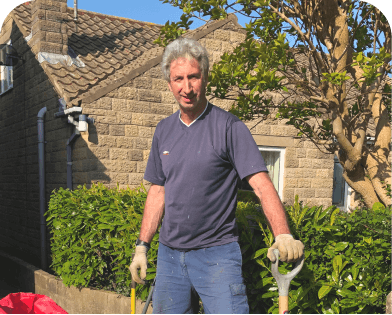
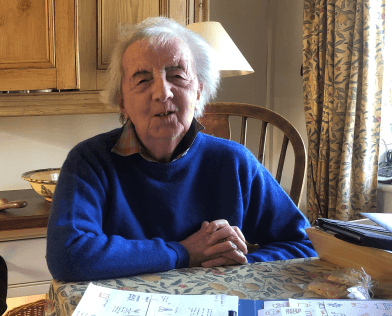
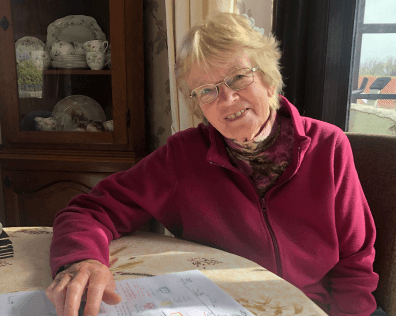
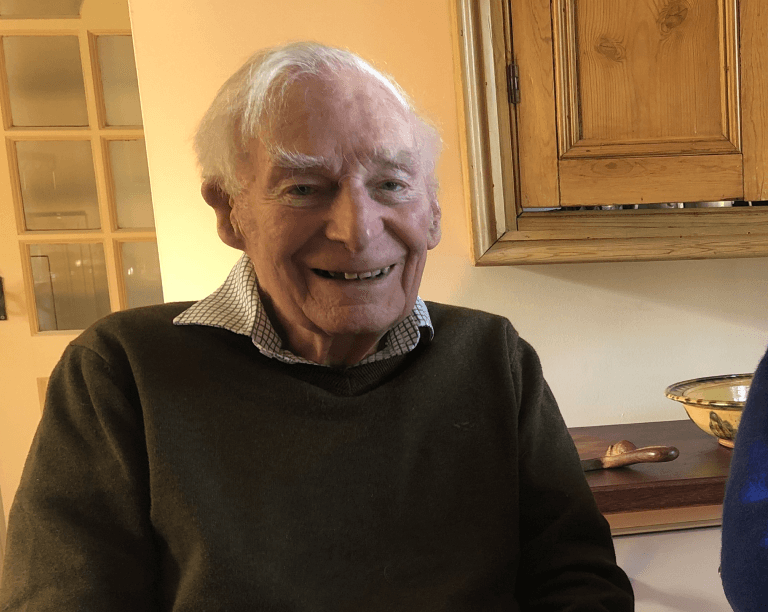
I could encounter people of different ages, such as in pubs and when I walk, but I don't have the opportunity to speak with them.
I believe I’m still useful and I can contribute to society. However, I feel patronized and people treat me too nicely like I’m a poorer folk.
I’m very interested in the lives of people from different age groups. When I go church, I could hear people’s life, but mostly they are at the same age as mine as well.
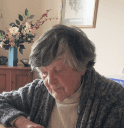
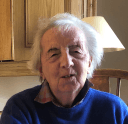
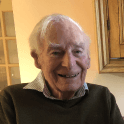
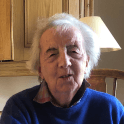
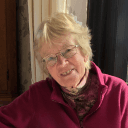
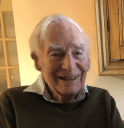
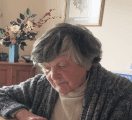
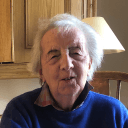

I only have the opportunity to socialize with people of my own age.
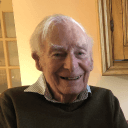
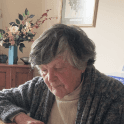
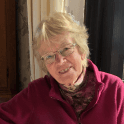
Elders long to contribute meaningfully, but are often limited to passive or same-age social spaces.
01
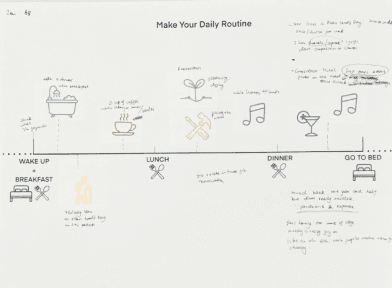
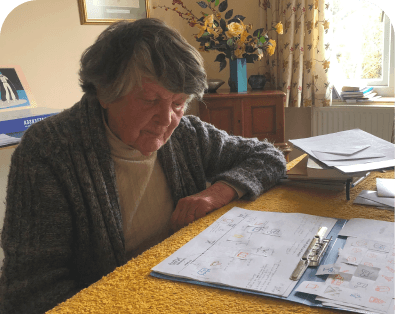
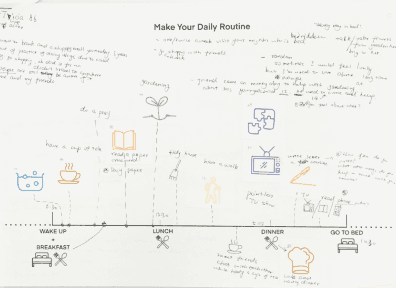
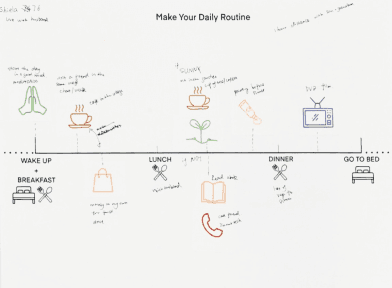
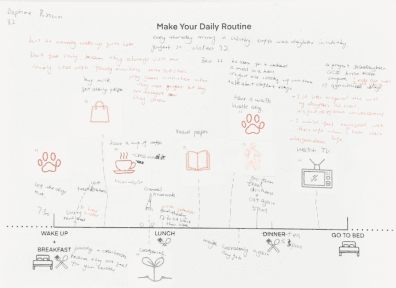
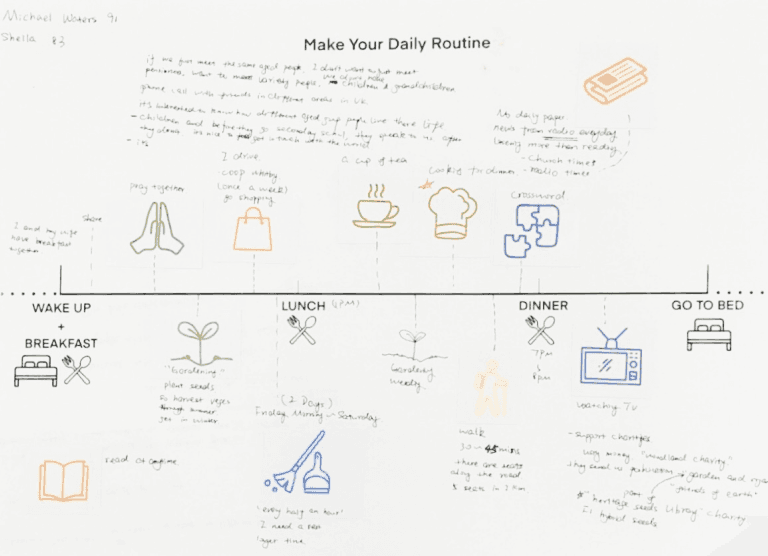
I got to know that seniors might suffer from social isolation, but it was just desk-top research. I didn't know the reasons behind it and what they truly needed for their social lives. So I conducted 5 object-based in-depth interviews at local seniors' homes to learn about how elders perceive their daily and social lives at Robin Hood's Bay.
I designed an activity called "Create Your Scenarios" for the interviews. They picked icons representing their daily activities and stuck them onto the timeline I created. They could also draw their own. This activity helped automatically capture research data, gave participants time to reflect, and acted as an icebreaker for building rapport.
get up
shower
breakfast
read
shopping
church
gardening
lunch
have a cup of tea with friends
walk
dinner
bar
TV
bed
finding
Younger generations have positive experiences with seniors when they act as storytellers and life mentors.
02
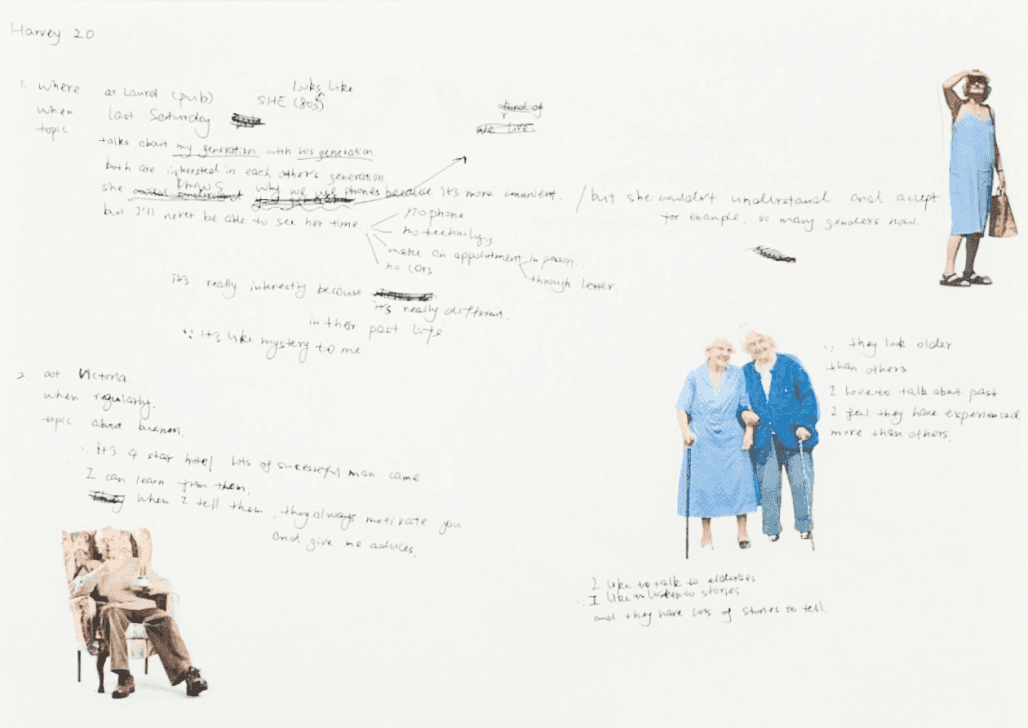
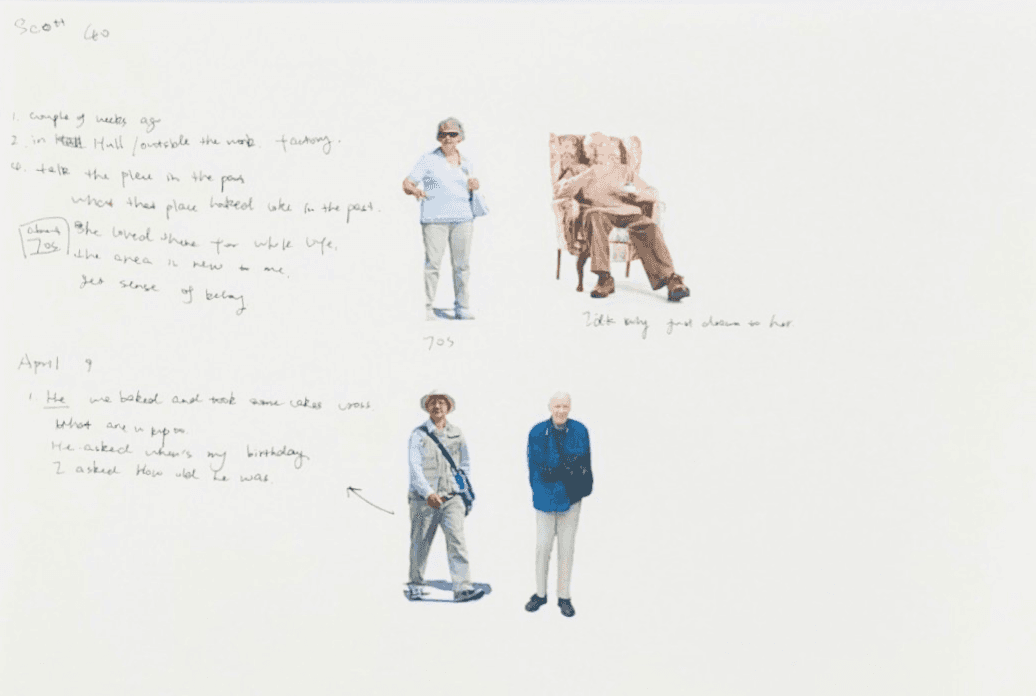
I learned that there was desire from the seniors' side to interact with younger generations, but what about from the younger generations' side? So I conducted 8 intercepts on the street asking "what was their last experience having good memories with seniors" to learn what people enjoy while interacting with seniors.
Exploratory research - 8 intercepts
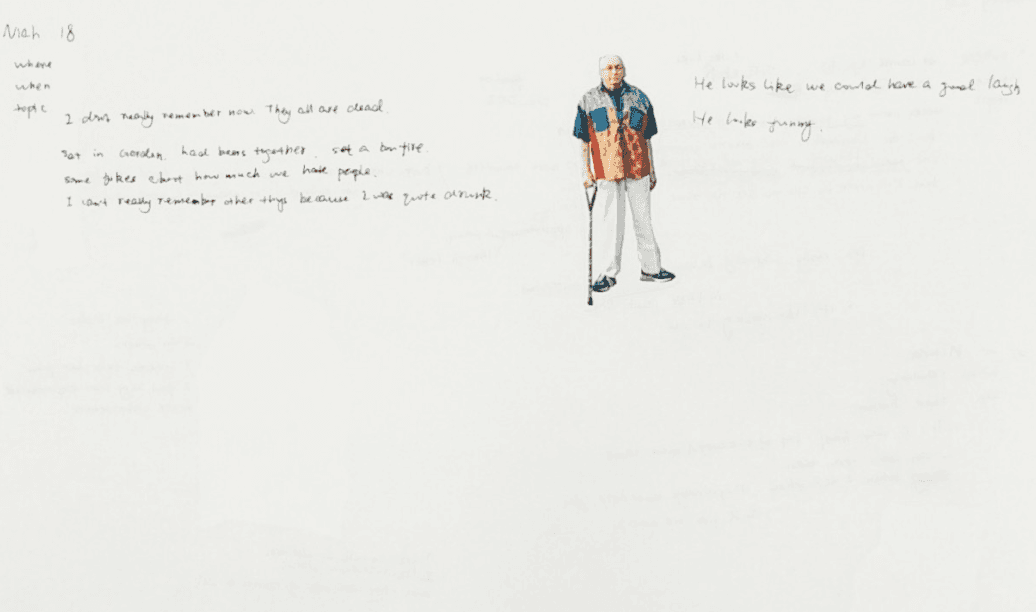
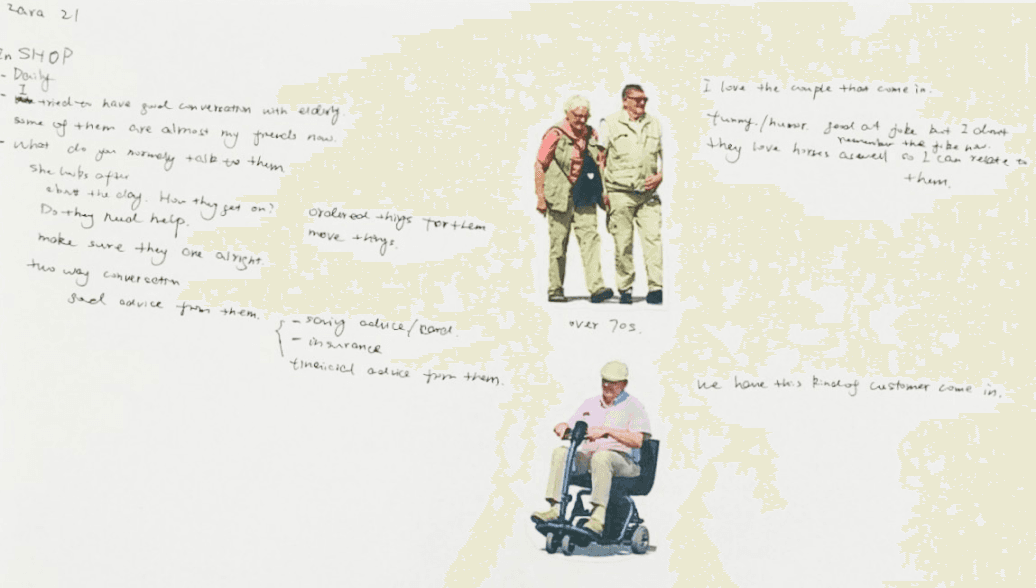
I presented a paper with lots of different seniors' looks, and asked them to pick the one that looked familiar based on their last good experience interacting with seniors. It worked as a visual reference cue for participants.
What’s your last experience having good memory with seniors?
Listening to their past experiences and stories
“We chatted about her generation. It's interesting because her era feels like a mystery to me.”
Harvey 20
“An elderly local shared her memories and history of my new city, giving me a sense of belonging.”
Scott 40
Receiving life advice
“I frequently discuss horse riding with a knowledgeable couple, as I'm learning to ride. I also value their advice on financial planning."
Zara 21
“I love hearing about how they became successful.”
Leo 32
finding
Robin Hood’s Bay is well-known as a tourist destination and economically reliant on tourism.
03
Robin Hood's Bay, a historic fishing village in England, has become a popular holiday spot. Its main income now comes from visitors rather than fishing. A source notes that the wider coastal area, which includes the bay, receives over 10 million trips and more than £600 million in visitor spending annually.
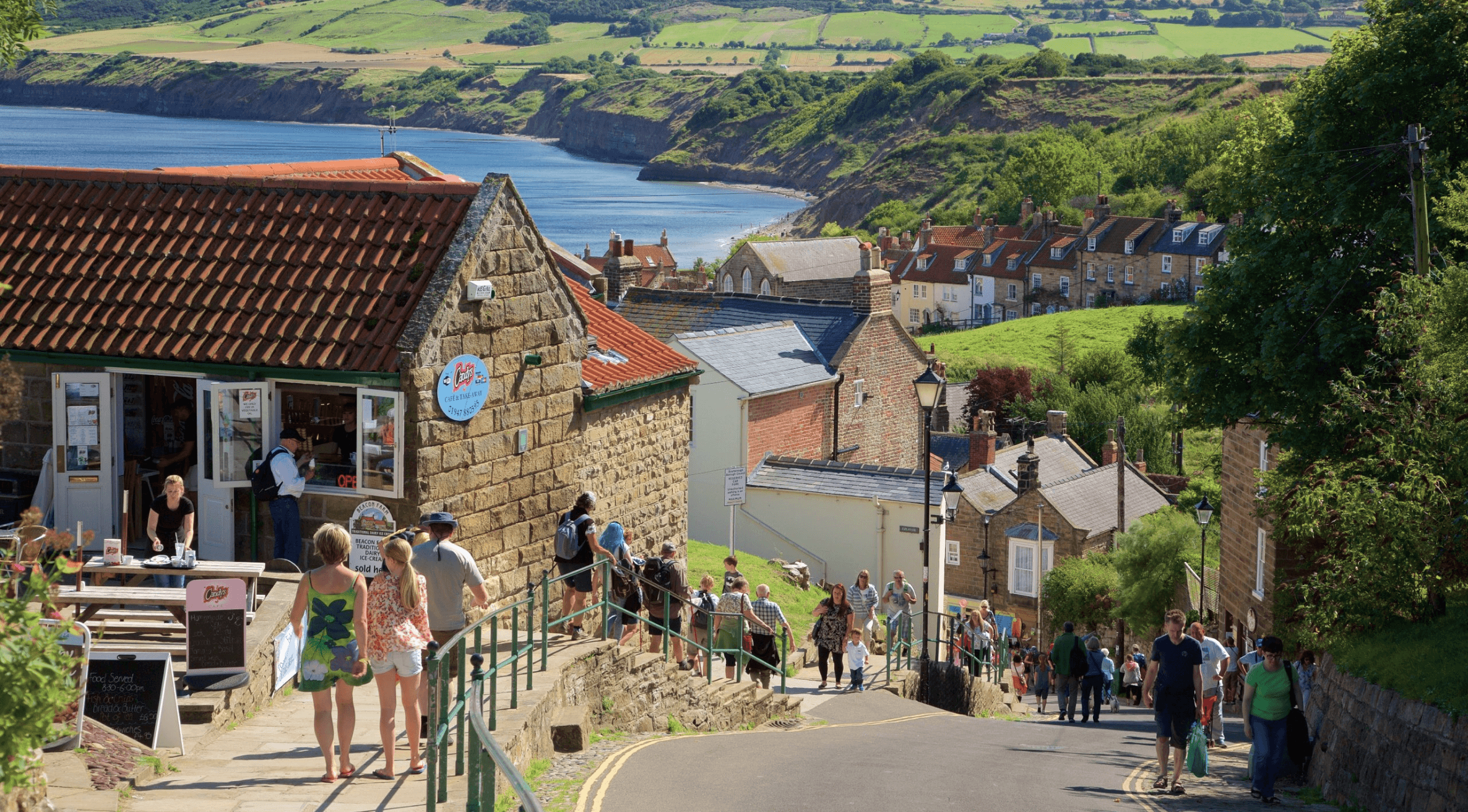
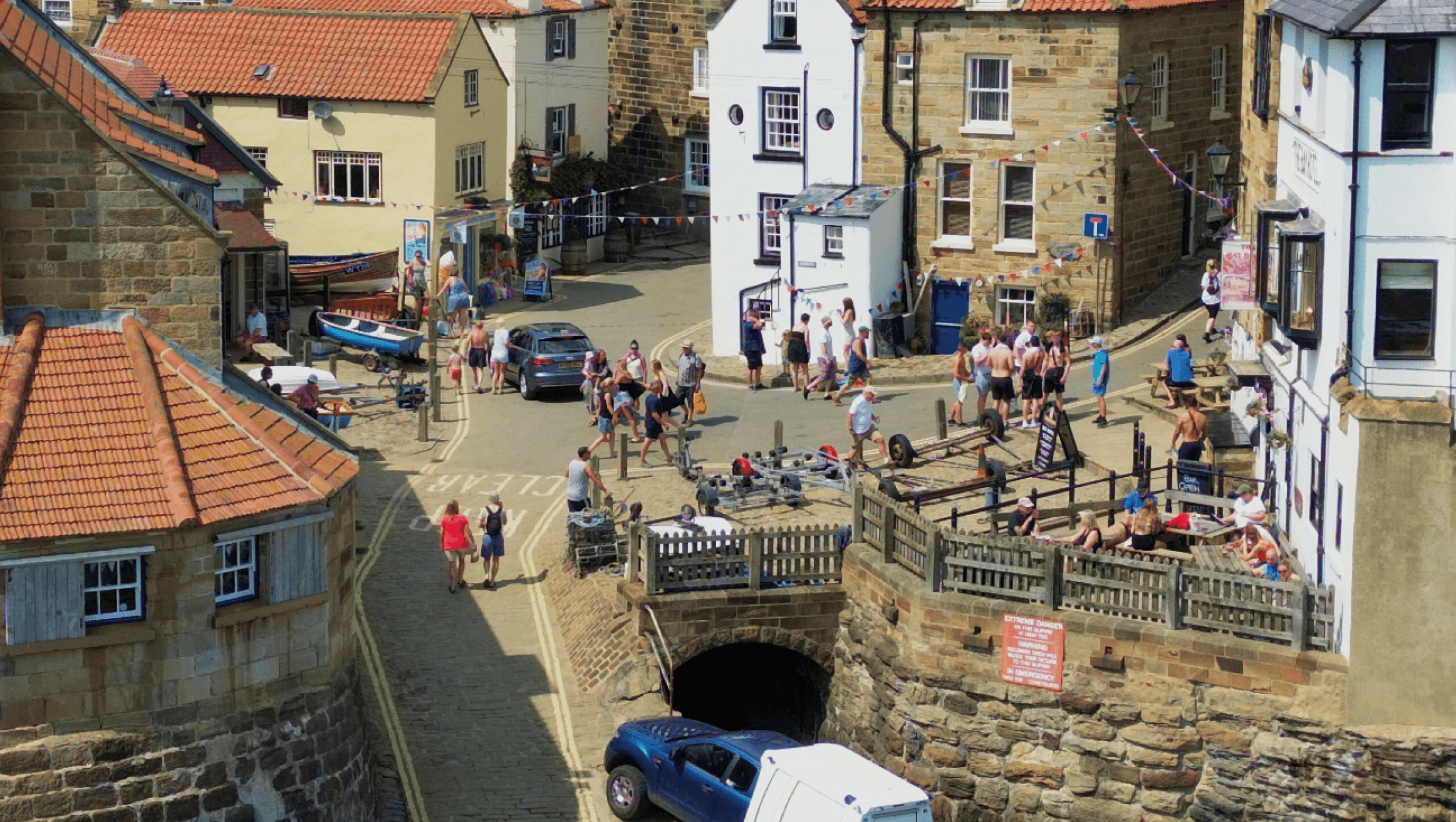
The influx of tourists might help reduce the social isolation of the local elderly.
This was my moment of insight, but was it really true?
Keep reading to see the research I conducted next to evaluate and clarify this opportunity area.
Hypothesis
finding
Robin Hood’s Bay’s rich history attracts visitors, but they find existing storytelling formats unengaging and prefer more conversational ways of learning.
04
To evaluate tourism as an opportunity area, I conducted additional exploratory research. I first conducted 5 intercepts to learn what attracts people to Robin Hood's Bay, and validated that history was a big attraction and source of curiosity. Then I conducted intercepts and observations to learn how they currently learn the local stories, what they like, and what they find limited.
Exploratory research - 5 intercepts
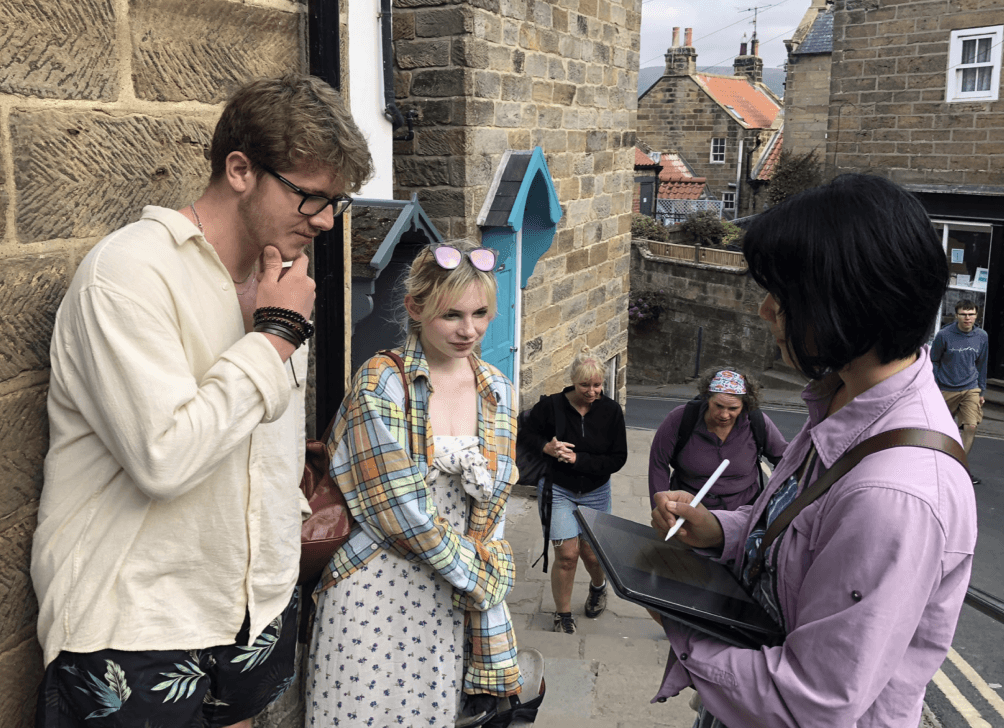
“I've loved these man-made, centuries-old cottages and the coastline since childhood.”
Alex 26 & Emily 28
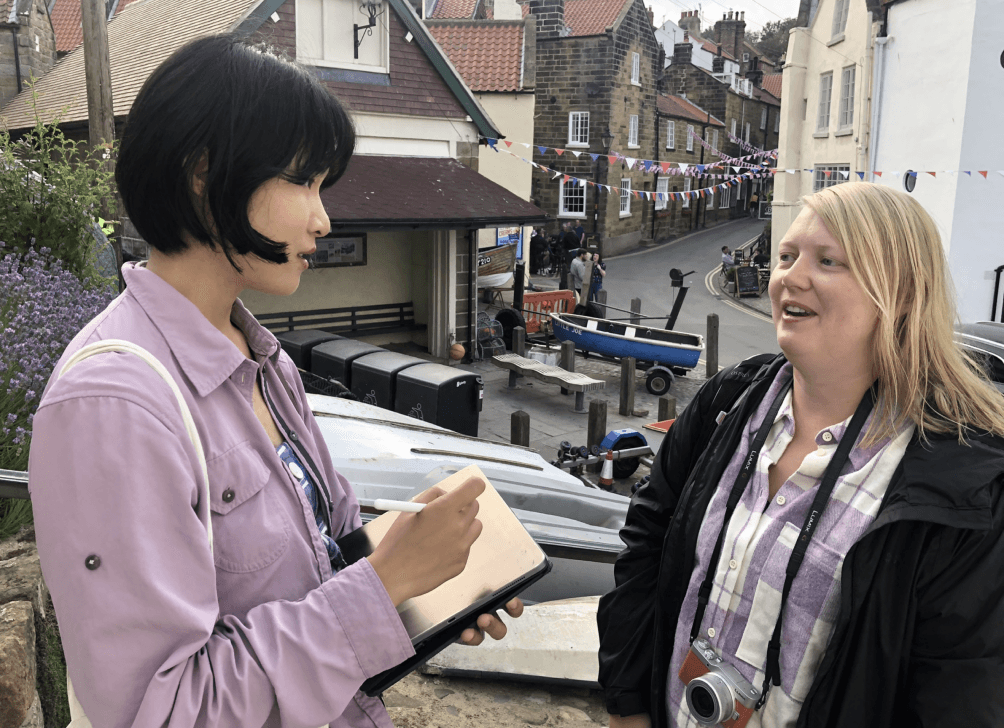
“I can’t wait to discover more the stories behind those unique and stunning architecture!”
Brittany 23
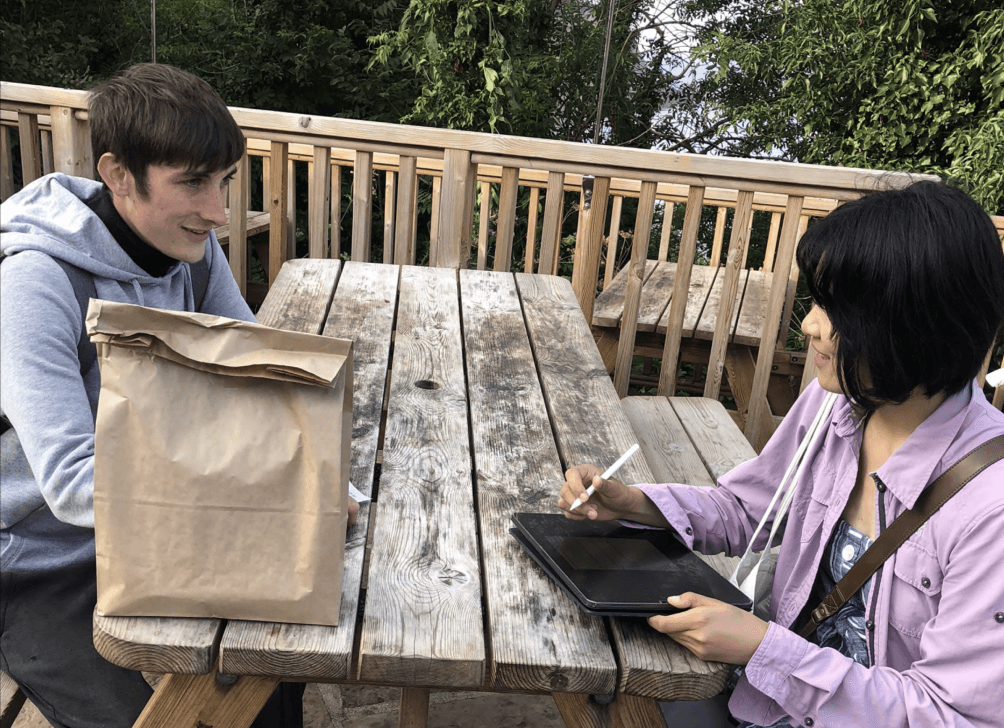
“The village’s smuggling history intrigues me, especially the secret tunnels connecting the houses.””
Oliver 18
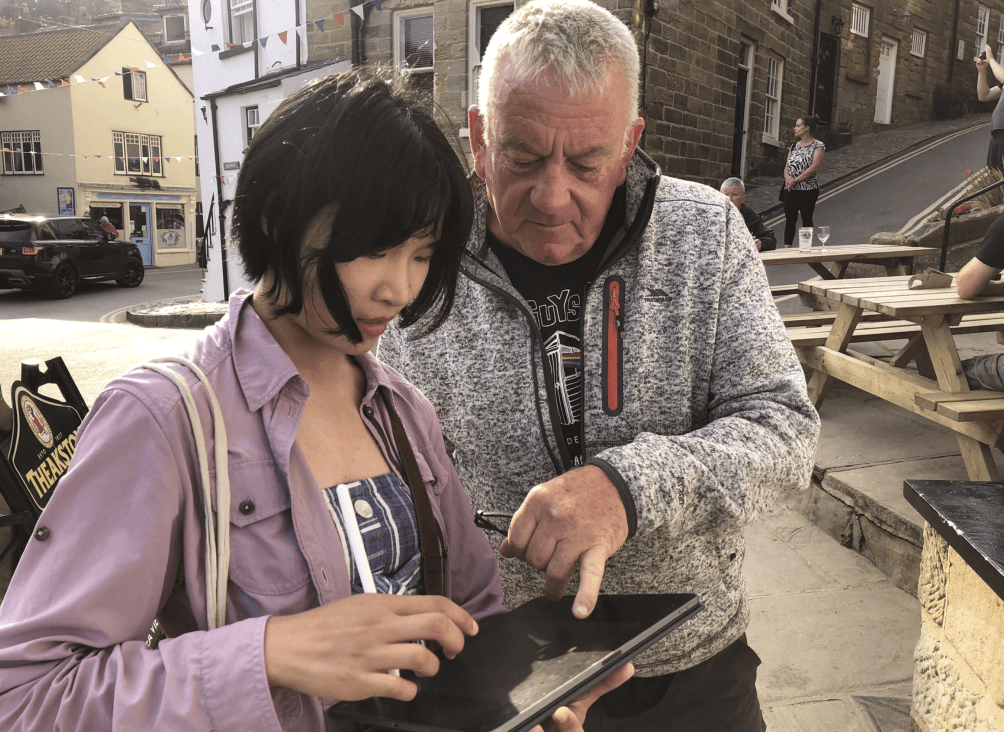
“I want to learn more about Robin Hood’s Bay, as I plan to retire here.”
Richard 59
Exploratory research - 5 intercepts
Tourists find current learning methods dull and unengaging.
Guidebooks
Tour guides
Local museum
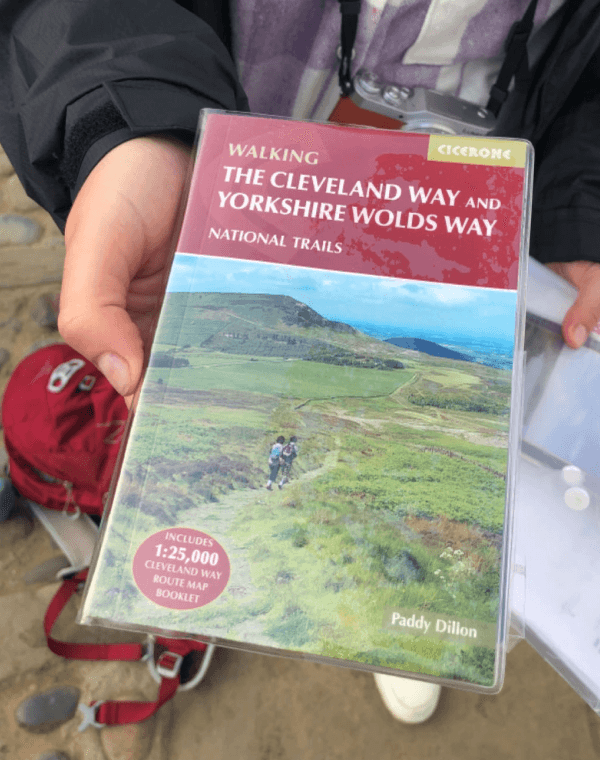
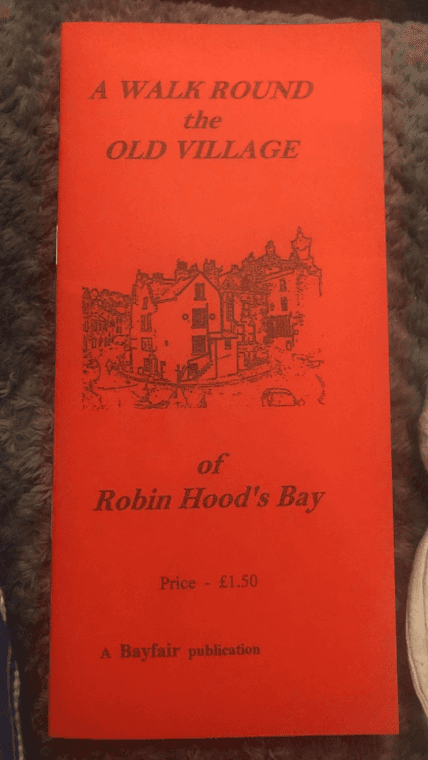
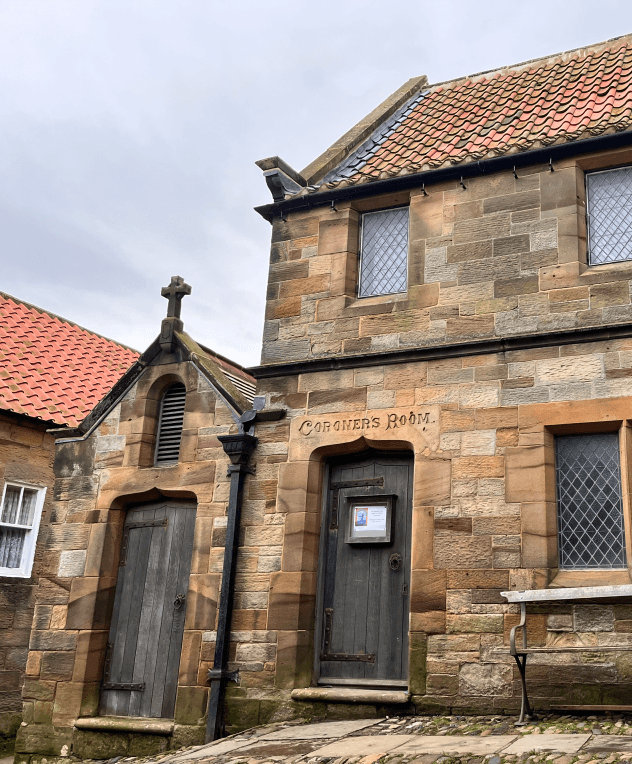
Tourists like to talk to local seniors who are volunteering at the Robin Hood’s Bay history museum to learn local histories.
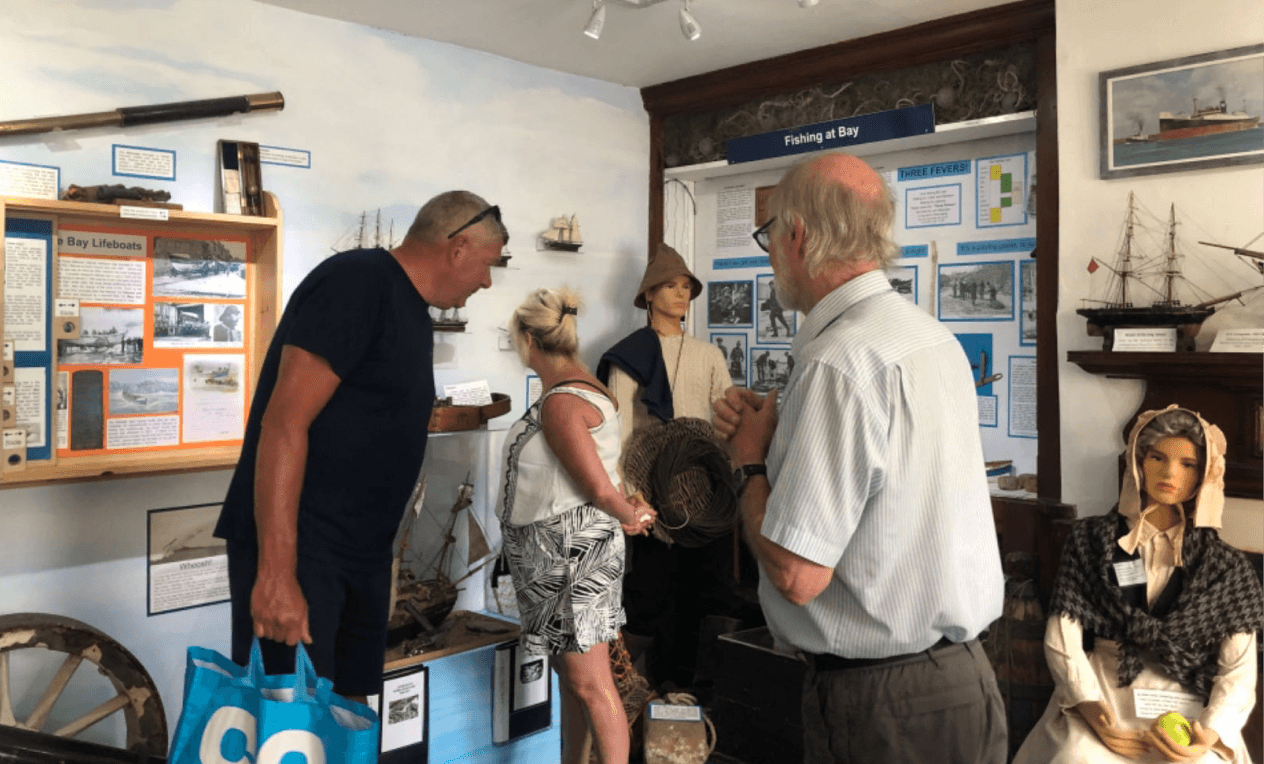
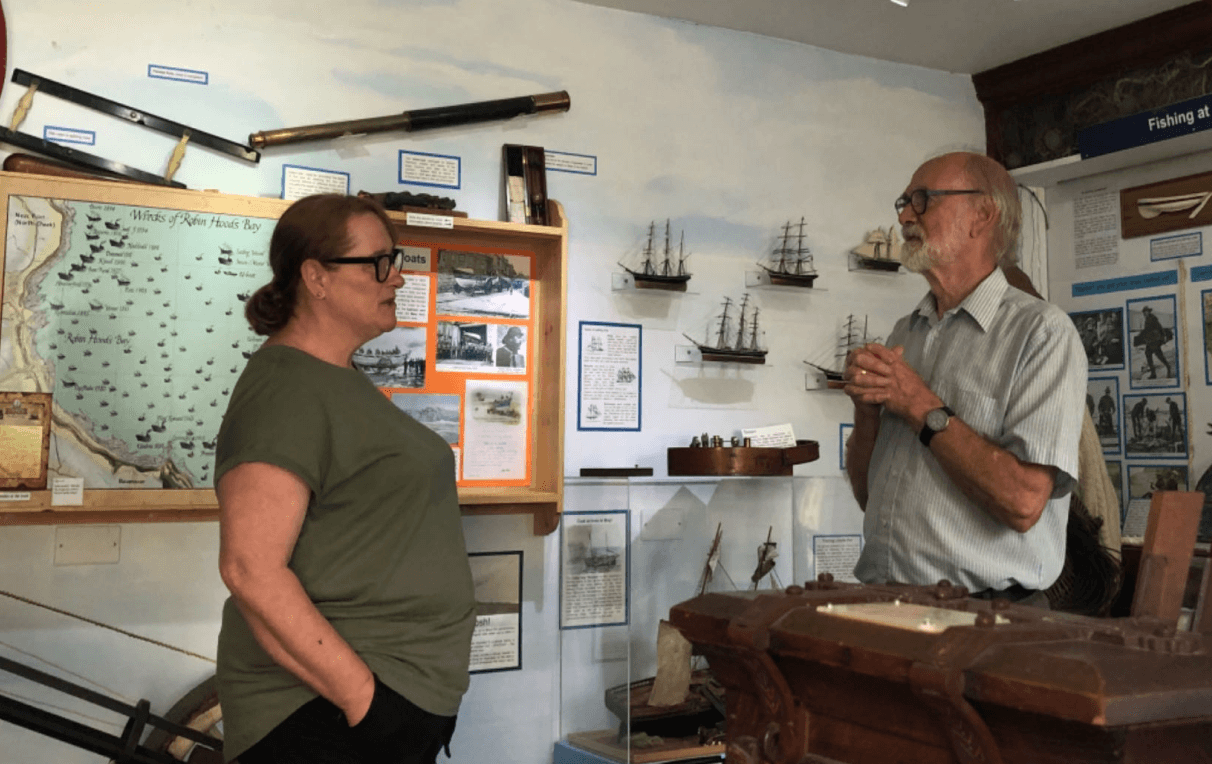
Exploratory research - 1 observation
Tourists visit Robin Hood’s Bay for its natural scenery, histories, and historical heritages.
Designing a tourism service around Robin Hood’s Bay’s history that involves local seniors could create meaningful interactions with tourists of different ages. This not only facilitates intergenerational exchange but also offers visitors a more conversational and enjoyable way to learn local histories and stories.
Ideation
So, leveraging tourism is a real opportunity area! Tourists are drawn to local history and enjoy learning about it through conversations with locals.
persona
Identifying the primary user groups this tourism service is designed for and what they need.
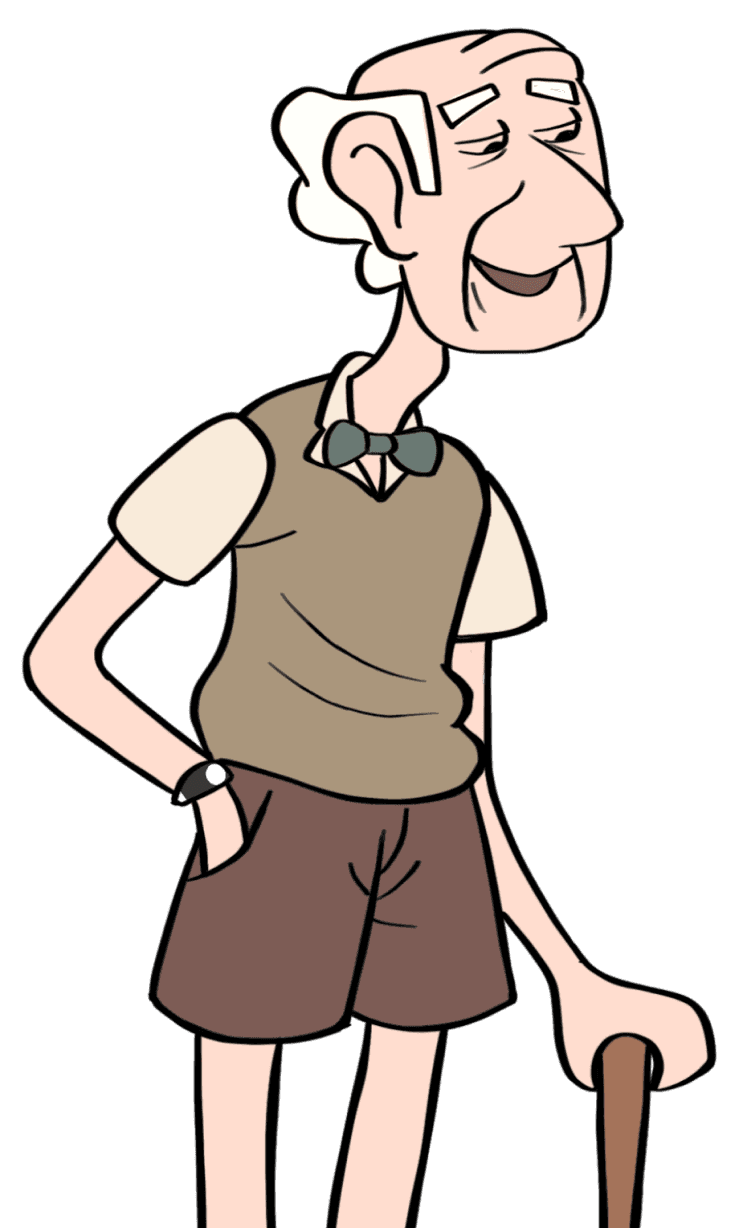
Michael 77
Local senior resident
“I think I can still contribute to the society, but I feel I am isolated from the rest of the world.”
Most of the time, his social interactions are limited to people of his own age group. He doesn’t want to be seen as useless. He believes he still has valuable contributions to make to society.
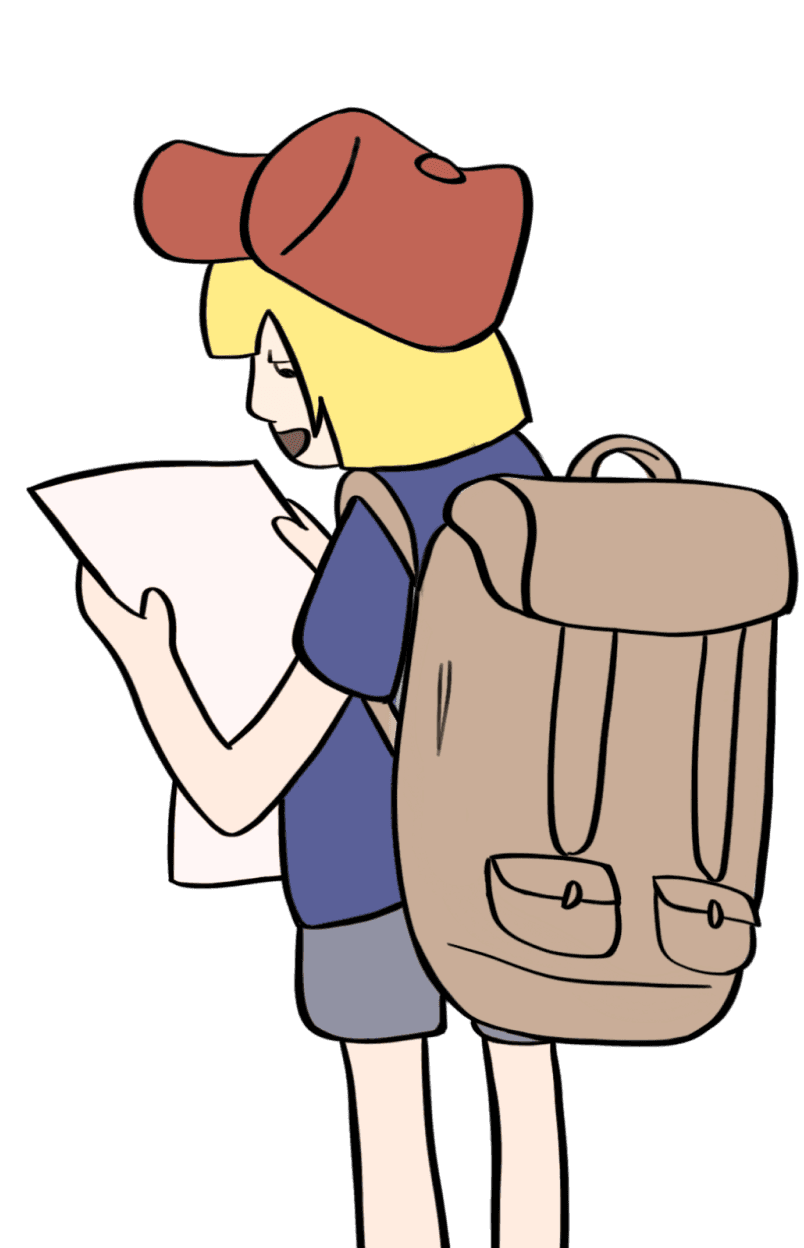
Emily 25
Tourist
“I want to learn more about the history of Robin Hoods Bay through conversations with locals.”
She is drawn to the cultural and historical heritage of Robin Hoods Bay. She has visited the local museum, and read several publications. She enjoys learning about the history through conversations with locals.
first prototype
Designing the first concept storyboard for subsequent concept testing and stakeholder workshops.
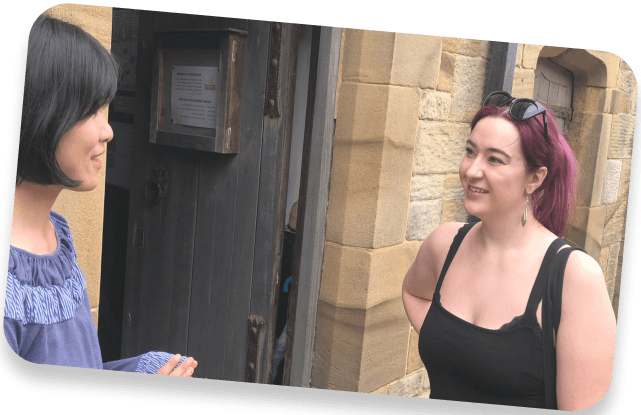
Generative research - stakeholder interview
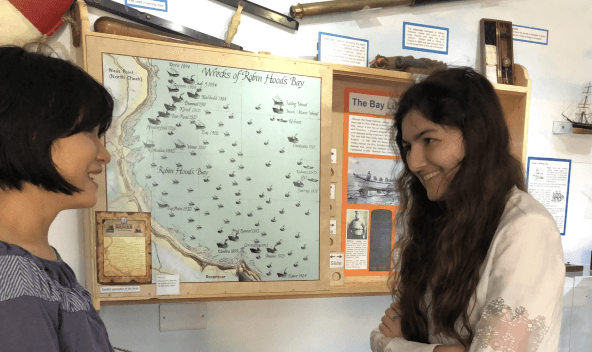
I interviewed museum staff about the main historical stories of Robin Hood’s Bay and which ones visitors ask about most frequently.
Generative research - 5 intercepts
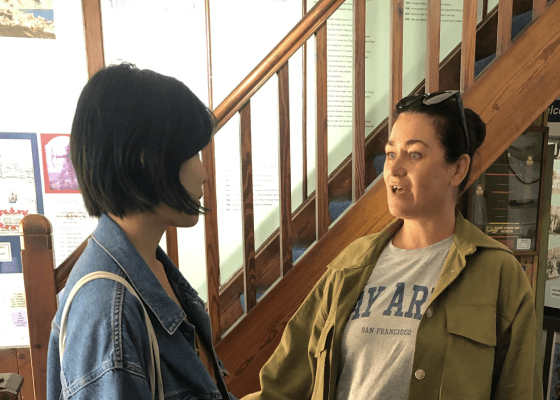
I asked tourists which historical stories interested them the most after they visited the local history museum.
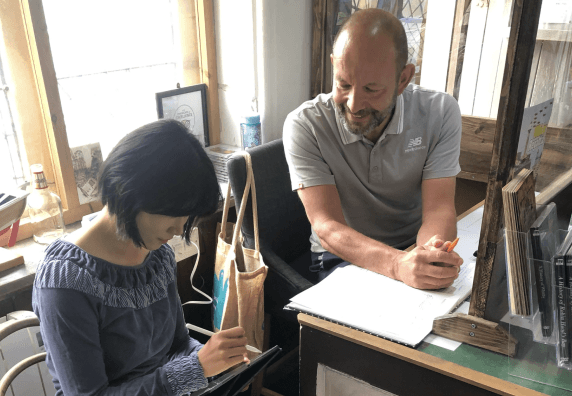
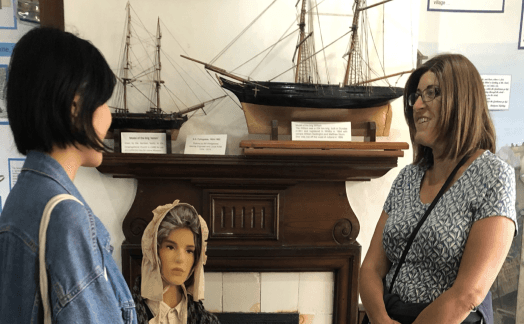
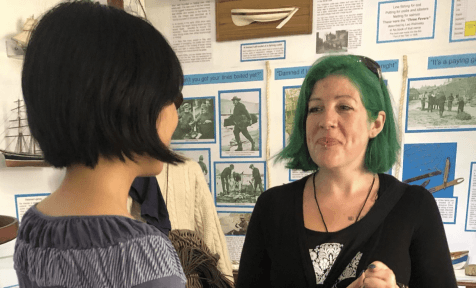
Concept testing
Testing the first concept storyboard with key user groups, local seniors and tourists.
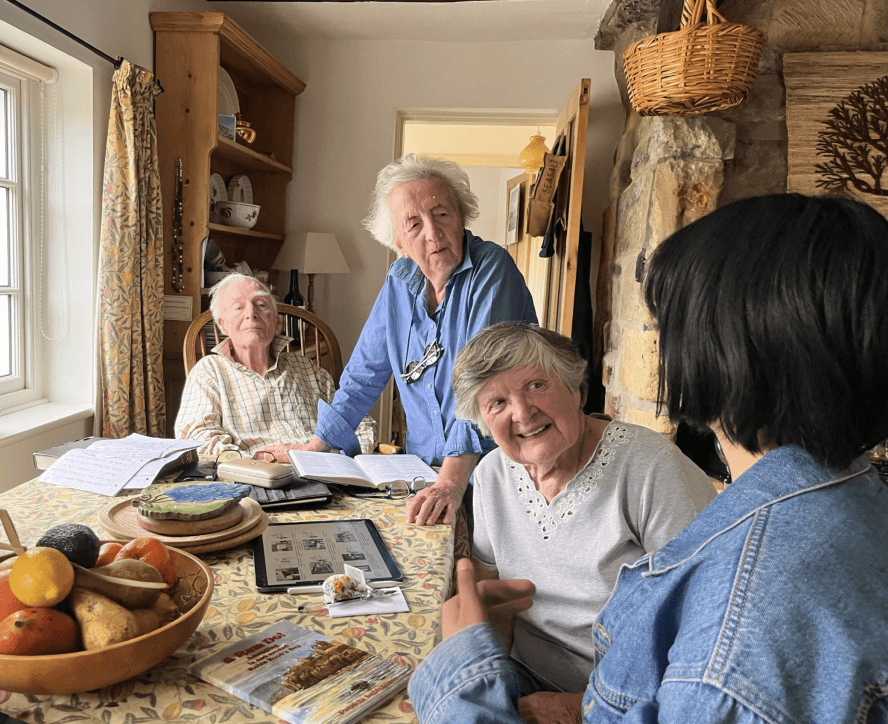
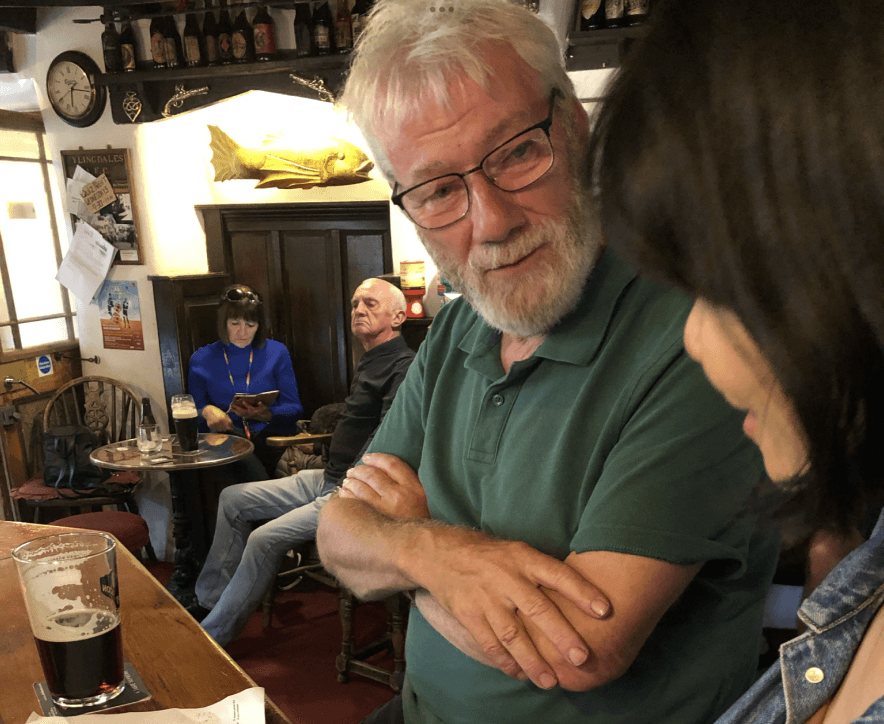
Evaluative research - 10 intercepts
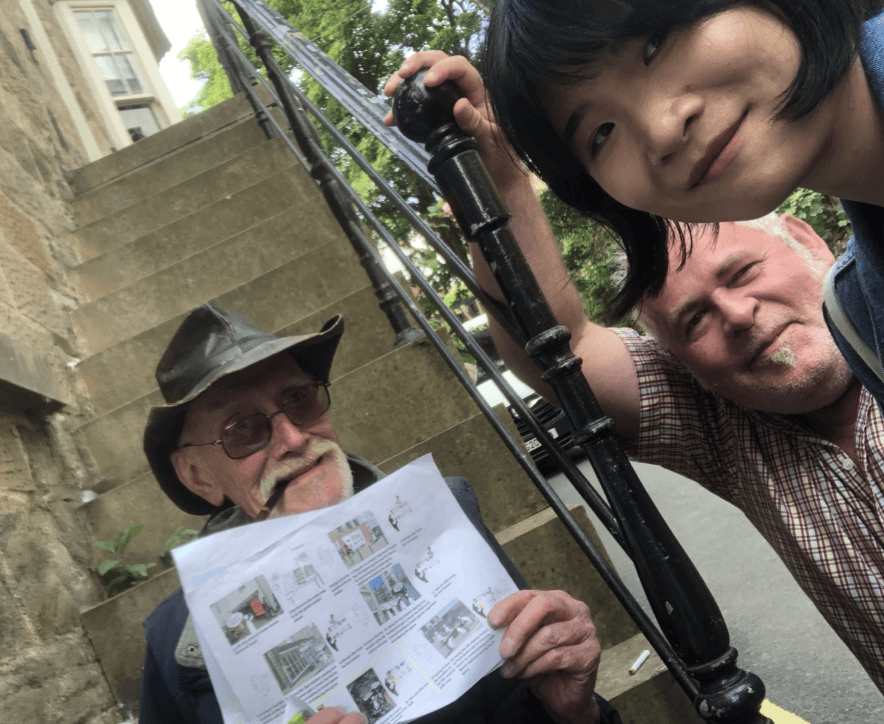
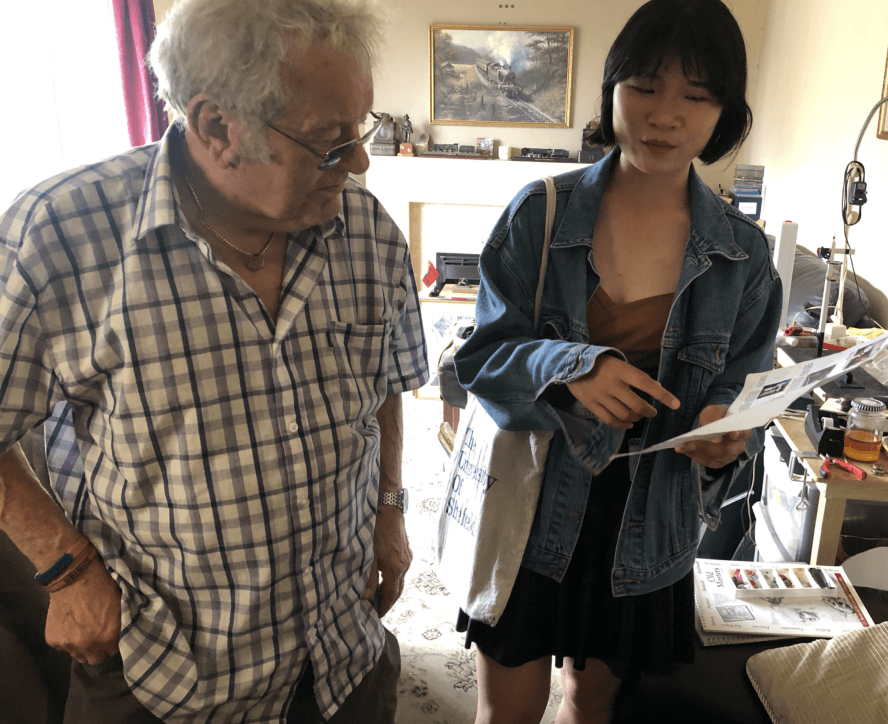
“This is a fantastic idea. I've always been keen on getting more people to know about Robin Hood's Bay's history!”
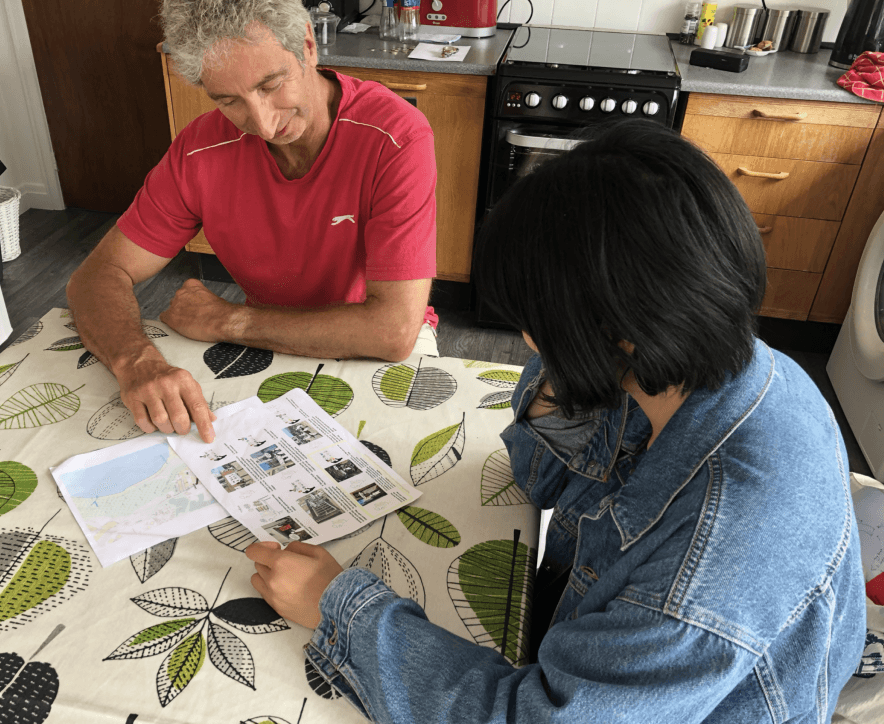
“How frequently do I need to be there? I hope the schedule is flexible.”
“So, when are we going to do it! I’d be disappointed, if it couldn’t come true.”
“Wow! It looks very interesting! Maybe I can act as a captain!”
“Though I know I’m still ‘young’, I doubt I could walk there and back if I have to play a character for several hours.”
“I’m the most interested in the smuggling mission!”
“I’d be happy to pay 10-15 pounds per adult for this game.”
“I’d love to communicate more with the NPCs or locals, like sharing a drink in a pub together.”
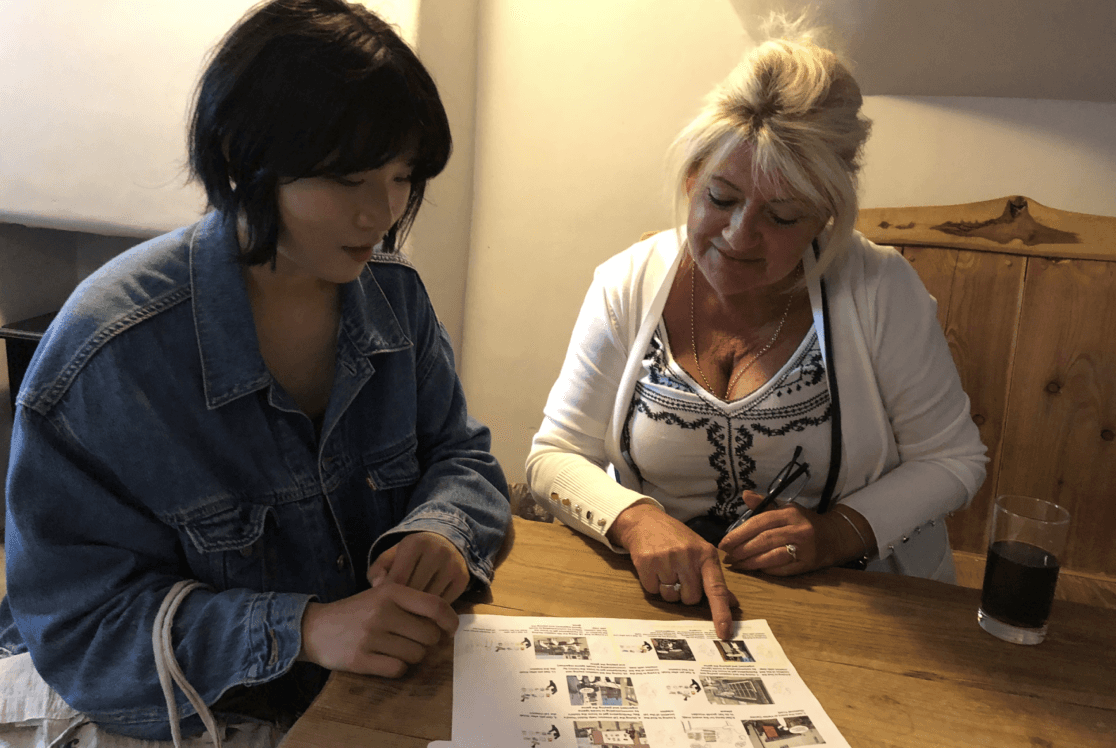
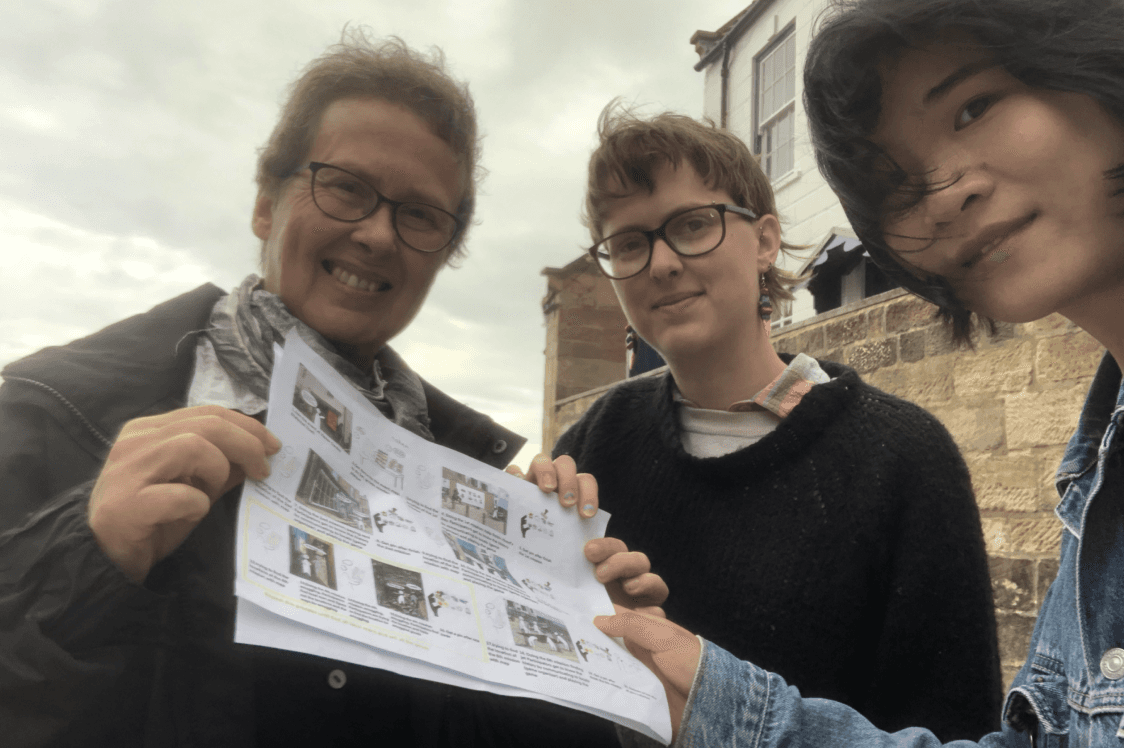
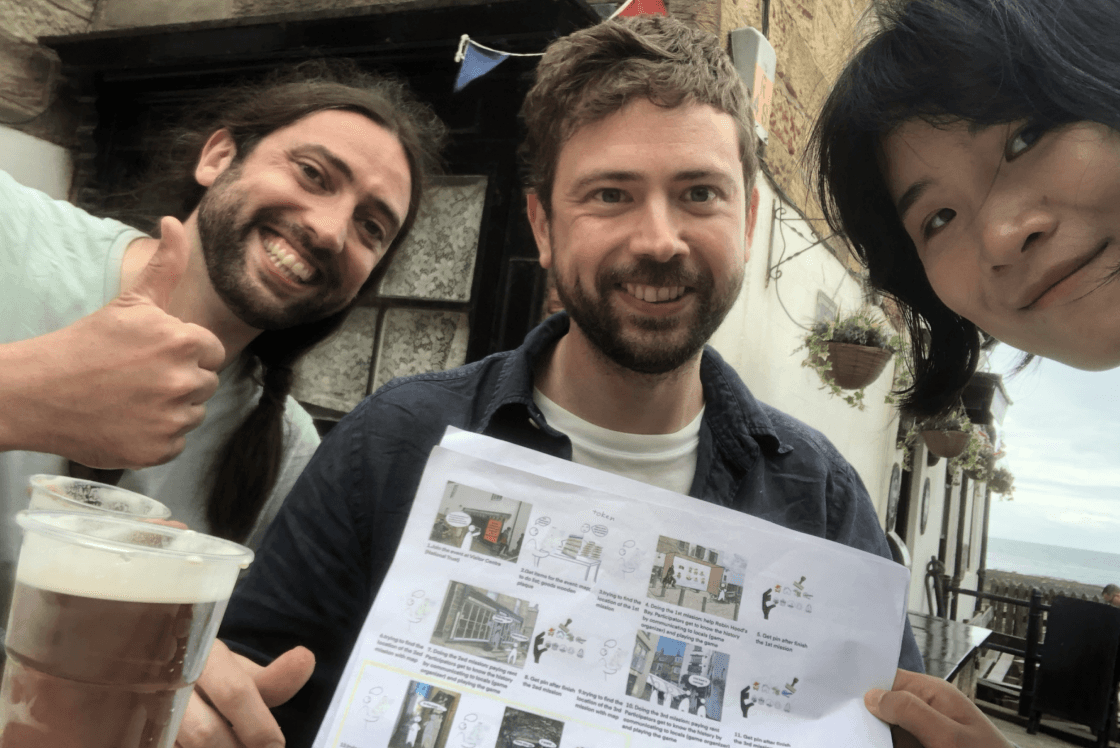
“I think there should be two durations, 1-2 hours for children, as they may lose interest quickly, and 2-3 hours for adults.”
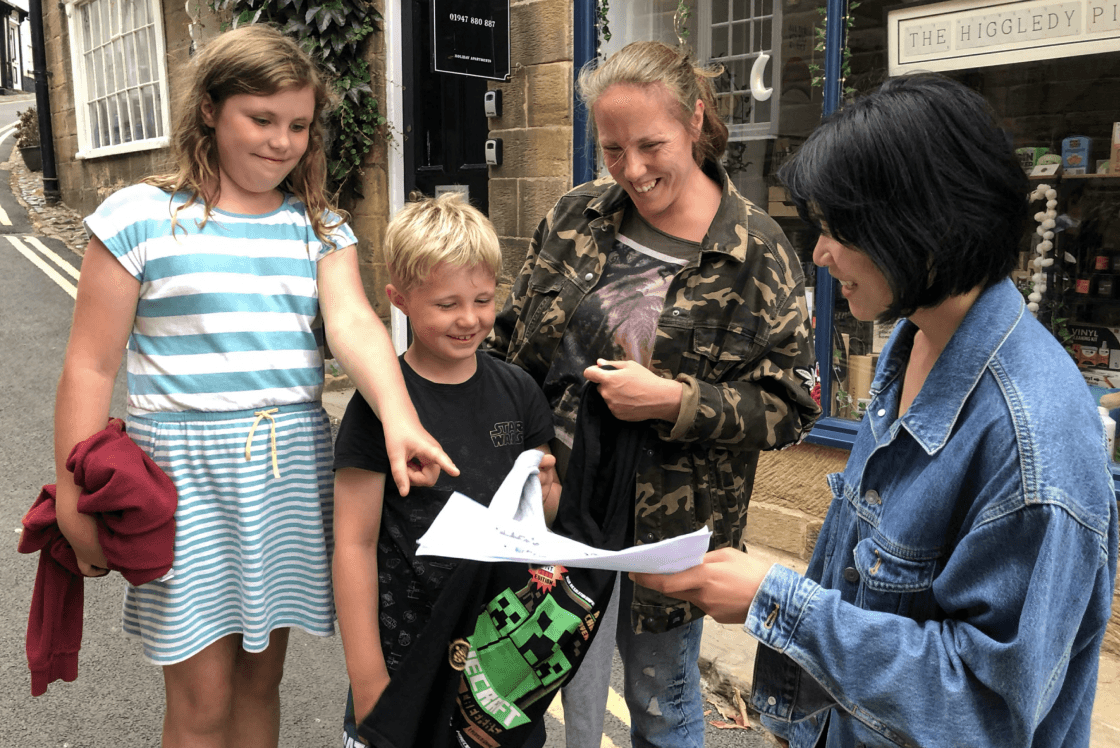
Both local senior residents and tourists showed a huge interest in this game and provided some suggestions.
Tourists suggested varying the game duration to suit families with children and adult visitors.
Local seniors expressed a desire for a shuttle service and flexibility in choosing time slots.
co-design workshop
Co-developing the prototype with Robin Hood's Bay history museum manager and staffs.
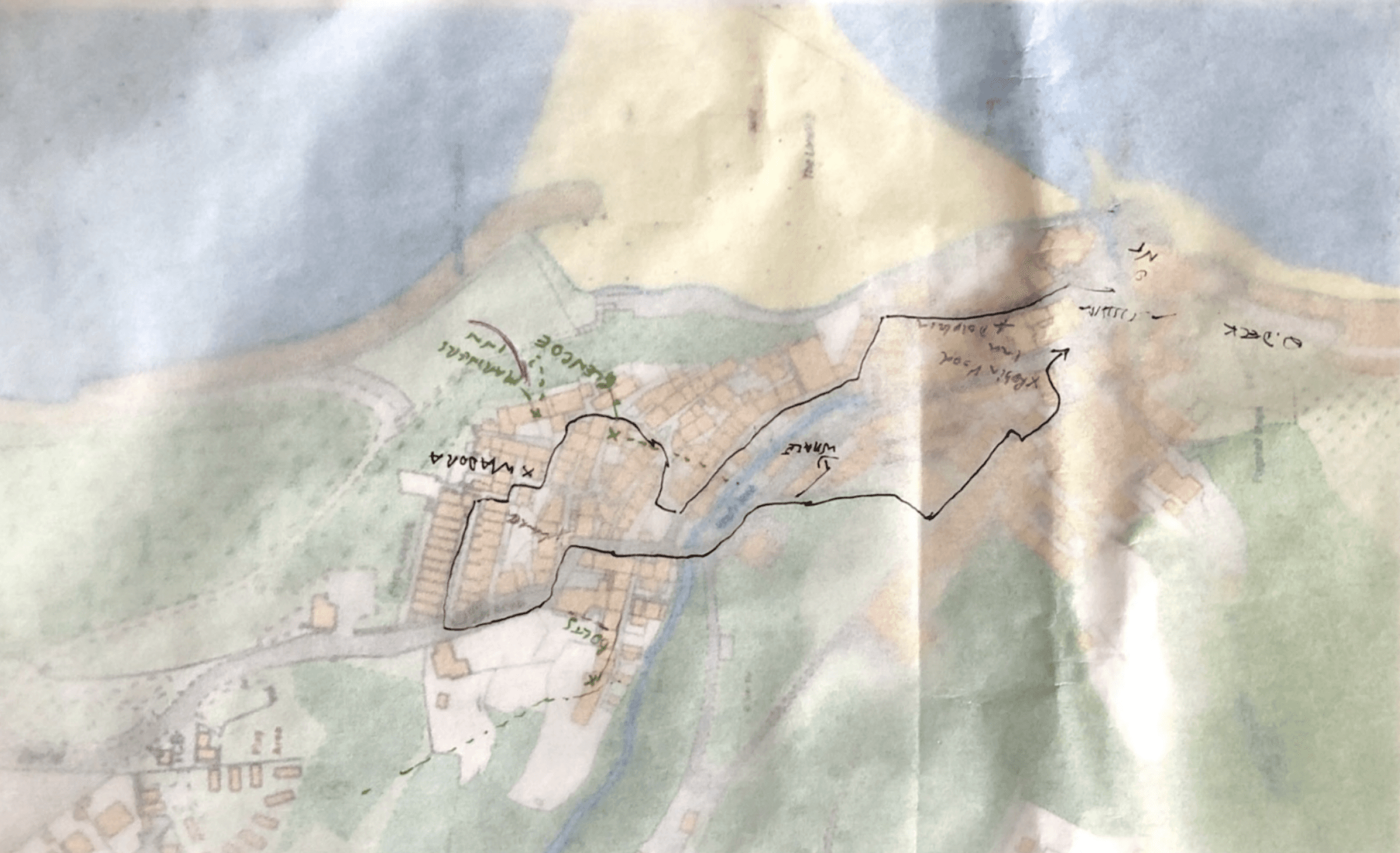
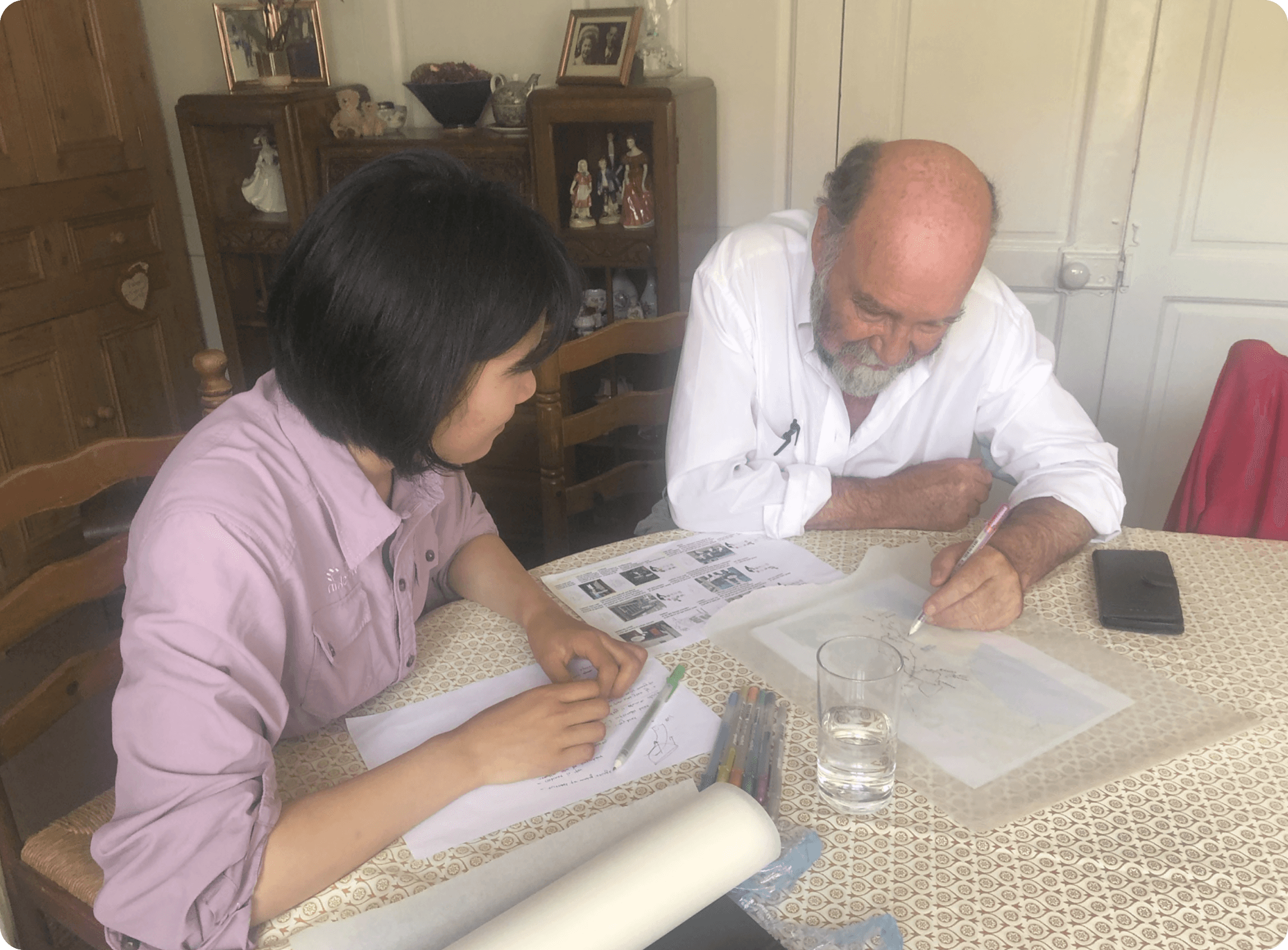
At the end of the co-design workshop, we refined event locations, routes, and characters for each game.
Concept testing
Presenting the developed concept prototype to stakeholder for buy-in.
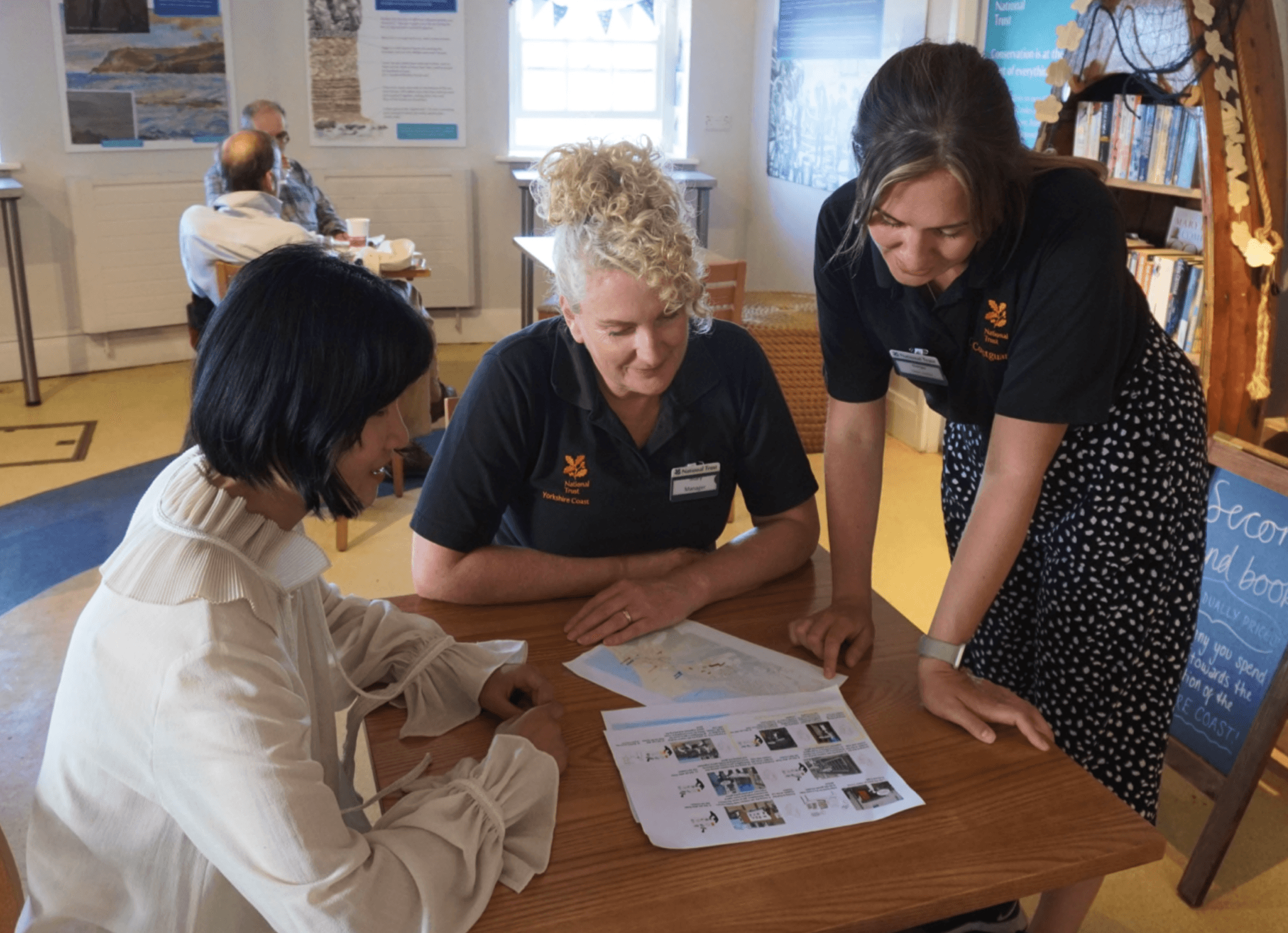
“We’d love to sponsor this service to promote social inclusion! I believe tourists are willing to pay as well. This service also can encourage tourists to the explore the village more.”
National Trust
Final deliverables
Thank you for reading!
If you’re interested in learning more about this project,
please feel free to reach out.